
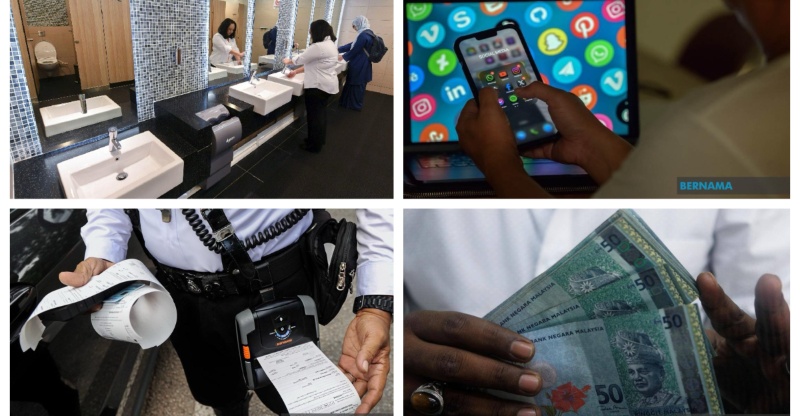
While many Malaysians are busy planning their year, 2026 is quietly shaping up to be one of the most transformative years in recent memory. Behind the scenes, the government is rolling out a series of new regulations that will affect almost every aspect of daily life, from hygiene and online safety to healthcare access, traffic enforcement, finances, and social welfare.
These changes are designed to improve the quality of life, protect citizens, and build a safer, more efficient society. Here’s what you need to know:
Keeping Malaysia Clean: Hygiene & Environmental Rules Get Tougher
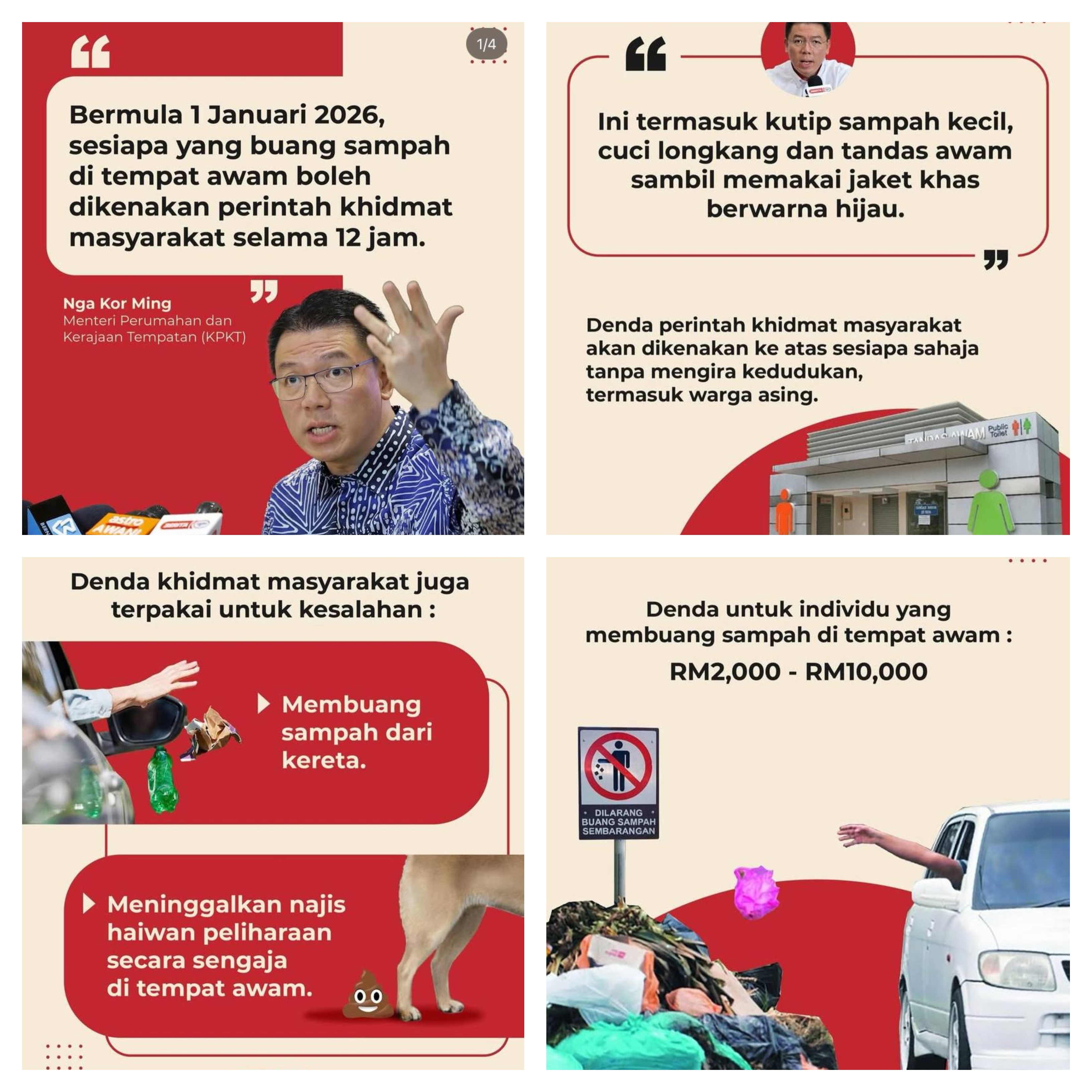
Malaysia is stepping up its efforts to improve public hygiene and environmental standards with stricter rules and heavier penalties.
“Fines and community service orders will be imposed on anyone regardless of their status, including foreign nationals.” said Nga Kor Ming, Minister of Housing and Local Government.
Digital Safety Gets a Boost in 2026
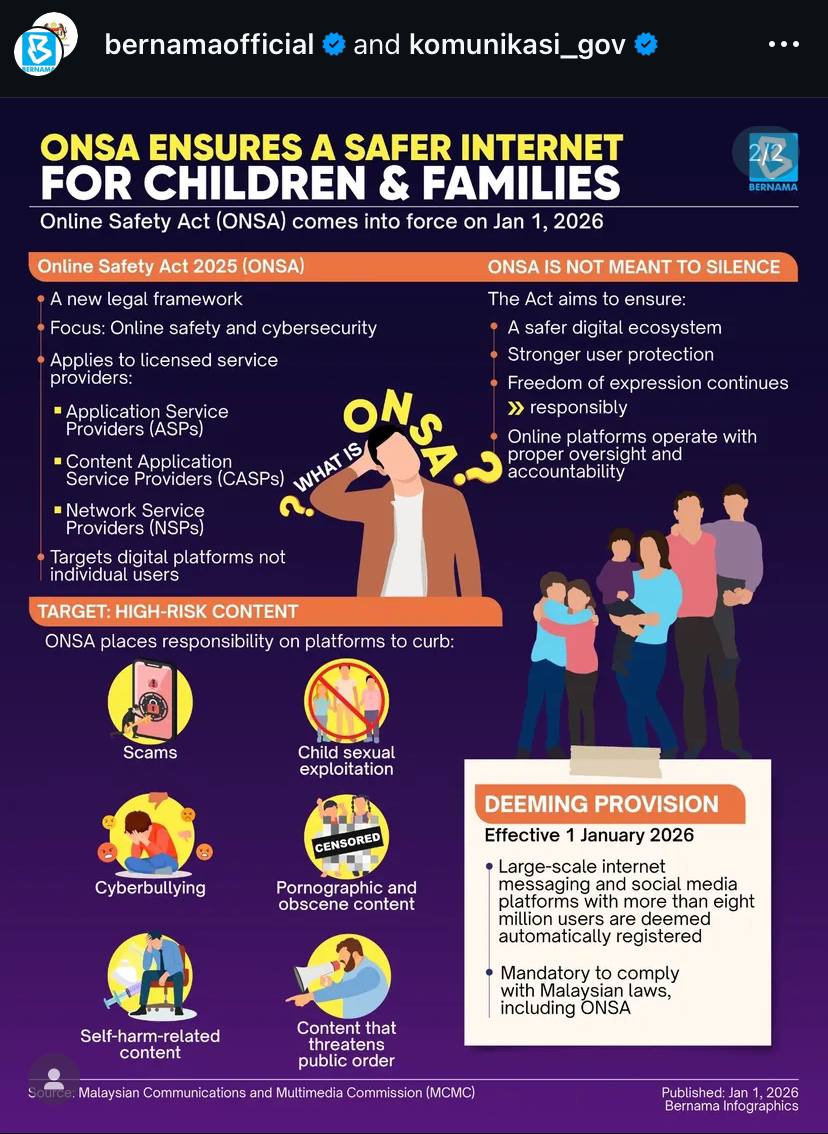
The Online Safety Act 2025 (ONSA) is now in effect. Social media platforms and messaging services are required to protect users from scams and harmful content.
They must also take measures to prevent online exploitation and safeguard vulnerable users.
Children and families are at the heart of these reforms. Age verification and stricter safeguards are being introduced to reduce exposure to risky online behavior.
Inspector-General of Police Datuk Seri Mohd Khalid Ismail reported a worrying rise in online child sexual exploitation. Authorities have documented a significant increase in such cases over recent years. They documented 688 cases from January 2021 to November 2025.
He added in a statement today that authorities recorded cases related to Child Sexual Abuse Material (CSAM). From January 2021 to October 2025, a total of 351 cases were documented.
Mohd Khalid said that enforcing ONSA is an important step to ensure digital platform providers take responsibility for curbing harmful content and closing avenues for cybercriminal activity.
Beyond regulations, awareness campaigns like Safe Internet 2.0 will help guide Malaysians toward safer online habits, ensuring the digital world becomes a more secure space for everyone.
MOH Puts Rumors to Rest: Walk-In Patients Still Welcome
The Ministry of Health (MOH) has firmly refuted viral social media posts claiming that government health clinics will no longer accept walk‑in patients.
Walk‑in services remain available despite appointments being the primary way to access care.
“Patients without an appointment will still be attended to, but they must first complete the triage assessment process.” said the ministry on its official Facebook page today.
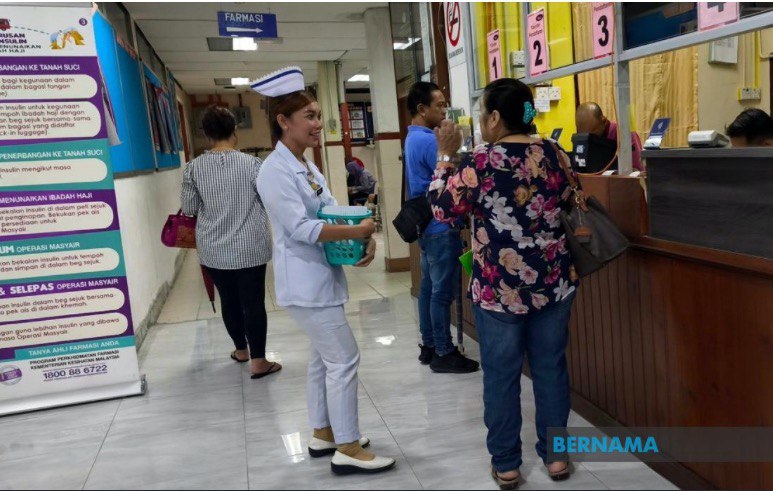
The clarification ensures that the public knows they can still receive treatment without prior booking when necessary.
Clinics will continue to see walk‑in patients, especially in emergencies, for elderly individuals, and for those with limited access to technology.
All walk‑in patients must first undergo a triage assessment.
Patients with scheduled appointments are prioritised according to their time slots to ensure fair and equitable access for everyone.
Traffic Summons & “Kejara 2.0”
Malaysia is ending the era of waiting for “50% off” mega-sales on traffic summons and has switched to a Standardised Traffic Compound System.
Authorities now apply a fixed early-bird discount structure to both PDRM and JPJ fines:
- 50% off if you pay within 15 days
- 33% off if you pay within 30 days
- Full price applies after 30 days
Under Kejara 2.0, authorities have also tightened the demerit system.
They now record demerit points regardless of whether offenders pay their fines, which can lead to faster licence suspensions for repeat violations.
Financial & Tax Updates
- Minimum Wage Increase: The government has officially raised the national minimum wage to RM1,700 per month.
- E-Invoicing Phase 4: Businesses with annual revenue between RM1 million and RM5 million must now use the e-Invoicing system, effective January 1.
- New Tax Reliefs: To support Visit Malaysia 2026, the government has introduced a special RM1,000 income tax relief for domestic tourism expenses.
- Foreign Property Stamp Duty: The government has doubled the stamp duty for foreigners purchasing residential property, increasing it from 4% to 8%.
Environmental & Lifestyle Changes
- Carbon Tax: The government is introducing a new carbon tax that initially targets the energy and iron and steel sectors. The move may indirectly affect electricity prices and material costs.
- Vape & E-Cigarette Ban: The Ministry of Health is moving toward a nationwide ban on the sale of vape and e-cigarette products. Authorities expect major enforcement milestones to take place by mid-2026.
- Youth Age Redefined: The government has lowered the official legal definition of “youth” in Malaysia from 40 to 30 years old. This change affects eligibility for certain government grants and youth-specific leadership roles.
Visit Malaysia 2026 (VM2026)
Visit Malaysia 2026 marks a major national campaign year for the country.
The government is rolling out a series of initiatives to enhance Malaysia’s appeal to tourists.
Visitors and locals alike can expect to see visible upgrades, new charges, and citywide improvements throughout the year:
- “I LITE U” Campaign: Authorities are increasing beautification and lighting projects across major urban centres. Areas such as Bukit Bintang will see enhanced lighting and upgraded streetscapes to create a more vibrant city atmosphere.
- Genting Highlands Road Charge: The government is expected to implement a new road charge for vehicles entering Genting Highlands later this year.
New Financial Aid & Cash Handouts
The government has updated its direct financial aid programmes for 2026 to provide broader support to Malaysians:
- STR (Sumbangan Tunai Rahmah): The government will now provide RM600 annually to single individuals. It will also grant households earning below RM2,500 with five or more children up to RM4,600 a year.
- SARA (Sumbangan Asas Rahmah): The government has expanded this back-to-school and essential goods assistance programme. All nine million STR recipients will receive at least RM100 per month, while those under the e-Kasih category will get RM200 per month.
- One-off “Duit Raya”: In February 2026, the government plans to distribute a one-off RM100 payment to 22 million Malaysians aged 18 and above.
EPF (KWSP) Enhancements
Self-employed individuals and those planning a pilgrimage should pay close attention to these important updates:
- Hajj Withdrawal: The government has increased the withdrawal limit from RM3,000 to RM10,000.
- i-Saraan Plus: The programme now targets gig workers, including e-hailing and p-hailing drivers. The government has raised the matching incentive to RM600 per year, up from RM500. Participants can receive matching contributions up to a lifetime cap of RM6,000.
- i-Suri: Housewives can now make contributions and receive government matching incentives until they reach 60 years old.
Education & Consumer Rights
- The “Lemon Law”: The government is amending the Consumer Protection Act 1999 to give buyers more rights. Consumers can now demand a repair, replacement, or refund for defective vehicles or goods. These changes align Malaysia’s laws with similar protections in the US and Singapore.
- Free Higher Education: Starting in 2026, the government will provide free PTPTN education for around 5,800 students from the lowest-income families. This initiative applies to public universities across the country. It aims to make higher education more accessible and reduce financial barriers for underprivileged students.
- PTPTN Enforcement: Authorities will impose stricter travel restrictions on borrowers who have outstanding loans and are working overseas. This measure ensures that overseas borrowers repay their PTPTN obligations on time.
BMW (Bersih, Menawan, Wangi)
Starting January 1, 2026, the government requires all businesses in City Council areas across Malaysia to meet BMW standards for license renewals.
If you own a business, especially in F&B or retail, the local council (PBT) will inspect your toilets based on strict cleanliness and hygiene criteria.
Councils will deny license renewals for any business that fails to achieve a 4-star or 5-star rating. Businesses must then improve their facilities to meet the standards.
- License Block: The council will freeze your business license until your toilets pass a re-inspection.
- Compounds: Local authorities have increased fines for dirty toilets under municipal bylaws, with penalties reaching up to RM2,000 in some areas.
What This Means for You
2026 isn’t just another year; it’s a structural shift. These regulations signal a stronger push toward cleanliness, accountability, digital safety, and social protection. Whether you’re a business owner, worker, parent, or student, the changes will be felt in everyday life.
Staying informed is no longer optional, but it’s essential.