
Too Smart for Our Own Good? How the Growing Crow Population Is Quietly Affecting Urban Cleanliness
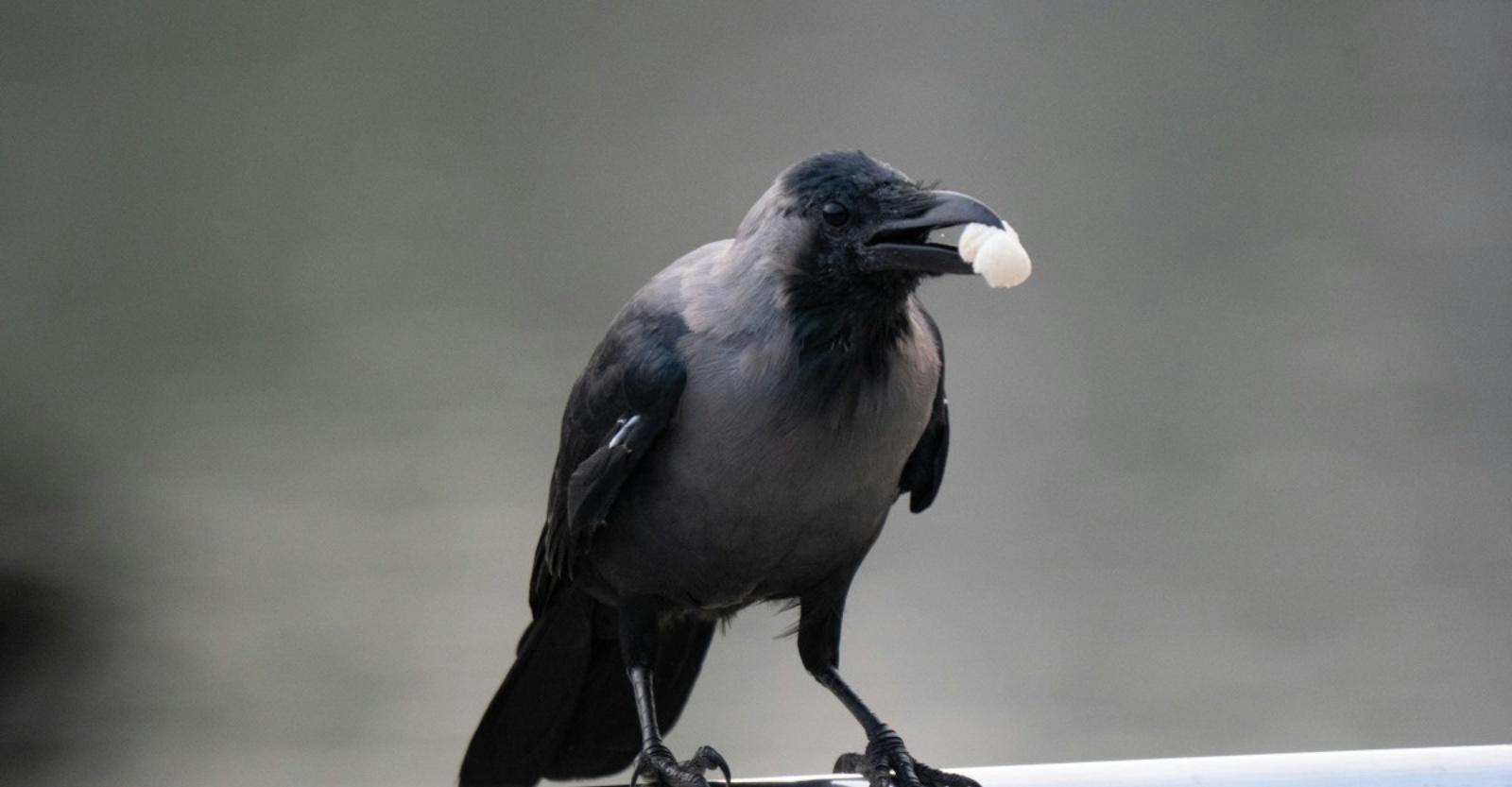
Crows are among the most familiar sights in urban Malaysia. Perched on streetlights, circling food courts, or tearing open garbage bags, they have become part of the modern city landscape. Known scientifically as Corvus splendens, crows are widely recognised for their intelligence, adaptability, and ability to thrive alongside human activity.
Stories of crows using stones to raise water levels in containers are often cited as symbols of animal intelligence and rightly so. This remarkable adaptability is exactly what allows them to flourish in cities. However, while their presence brings some benefits, it also creates growing challenges for urban hygiene and waste management.
Nature’s Cleaner, With a Catch
At their best, crows act as informal “natural cleaners,” consuming organic waste and leftover food in urban areas. This can help reduce food scraps in open spaces. But their instinct-driven behaviour, unchecked by logic or restraint, often causes more harm than good.
Uncontrolled crow populations frequently tear apart plastic trash bags, scattering waste across streets and drains. Their highly flexible diet means almost any discarded food becomes a meal, encouraging them to linger around markets, restaurants, and residential areas.
The Overlooked Danger of Crow Droppings
One of the most underestimated problems linked to crows is their droppings. Beyond unpleasant smells and visible mess, crow droppings can carry harmful bacteria such as Salmonella, fungi, and viruses linked to zoonotic diseases like histoplasmosis.
Their droppings also contain uric acid, which can corrode vehicle paint, leaving lasting damage that requires costly cleaning and repairs. What seems like a minor nuisance can quickly become a public health and financial issue.
Why Are Crow Numbers Increasing?
The rise in crow populations doesn’t happen without reason. As human populations grow, food waste grows with them. Urban centres packed with restaurants, markets, and unmanaged disposal sites provide what is essentially a daily buffet for these invasive birds.
Open trash bins, uncovered waste, and careless disposal practices create easy feeding opportunities. Without proper waste control, crow numbers will continue to rise, bringing hygiene challenges with them.
When “Kindness” Makes Things Worse
Well-meaning but misplaced compassion also plays a role. Some people intentionally feed crows by throwing food scraps onto streets or open areas. While this may feel harmless, it disrupts natural feeding behaviours, attracts other pests, worsens city cleanliness, and increases disease risks.
Feeding wild animals in urban spaces often causes more harm than help.
Lessons from Abroad and at Home
Interestingly, some countries have found innovative ways to manage crow behaviour. In Sweden, crows have been trained to collect cigarette butts and litter, exchanging trash for food via special machines. The initiative reduces litter while making use of the birds’ intelligence.
In Malaysia, states such as Pulau Pinang have introduced modified cages to capture crows. While helpful, these efforts remain limited if the root cause, poor food waste management, is not addressed systematically.
Education Is the Long-Term Solution
Lasting change begins with awareness. Early education about wildlife interaction is crucial to teaching what should and should not be done around wild animals. Schools, government agencies, and NGOs can play a vital role through talks, campaigns, and hands-on programmes that foster responsible environmental behaviour from a young age.
Shared Responsibility for Cleaner Cities
Managing crow populations is not just the government’s job. It requires cooperation between authorities, communities, and educational institutions. With better waste systems, public awareness, and responsible habits, cities can remain clean, safe, and harmonious for humans and wildlife alike.
Because small efforts, done consistently, can grow into meaningful change.