Think of it as the universe’s way of dimming the lights for a dramatic reveal.
A Lunar Eclipse happens when Earth slides perfectly between the Sun and the Moon, casting a massive shadow across the lunar surface.
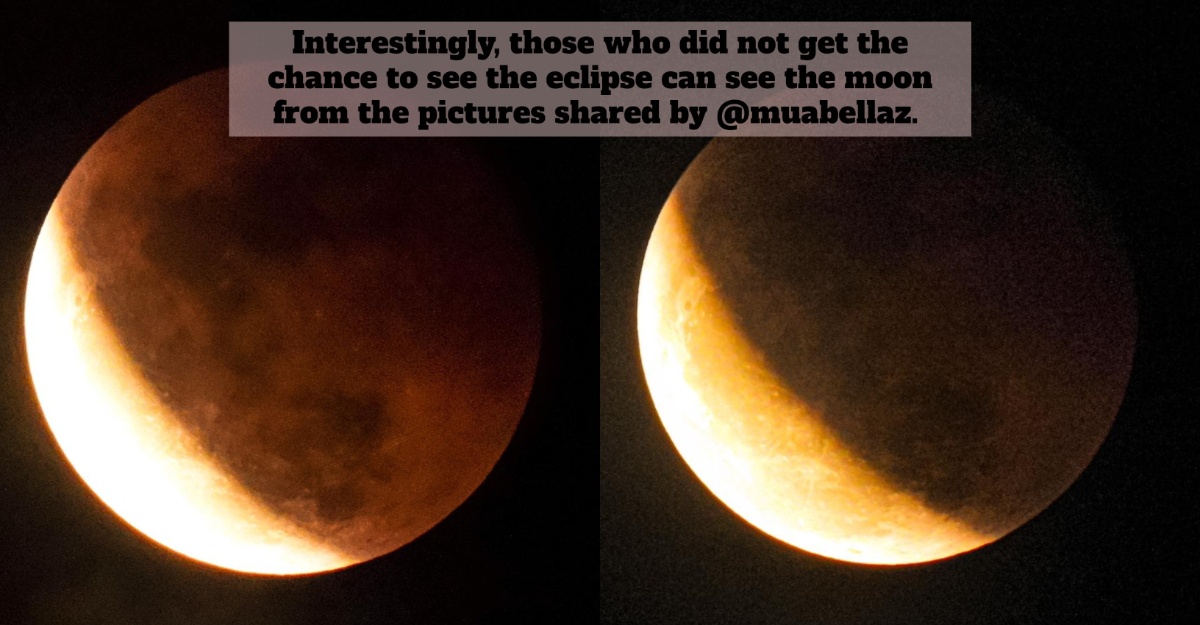
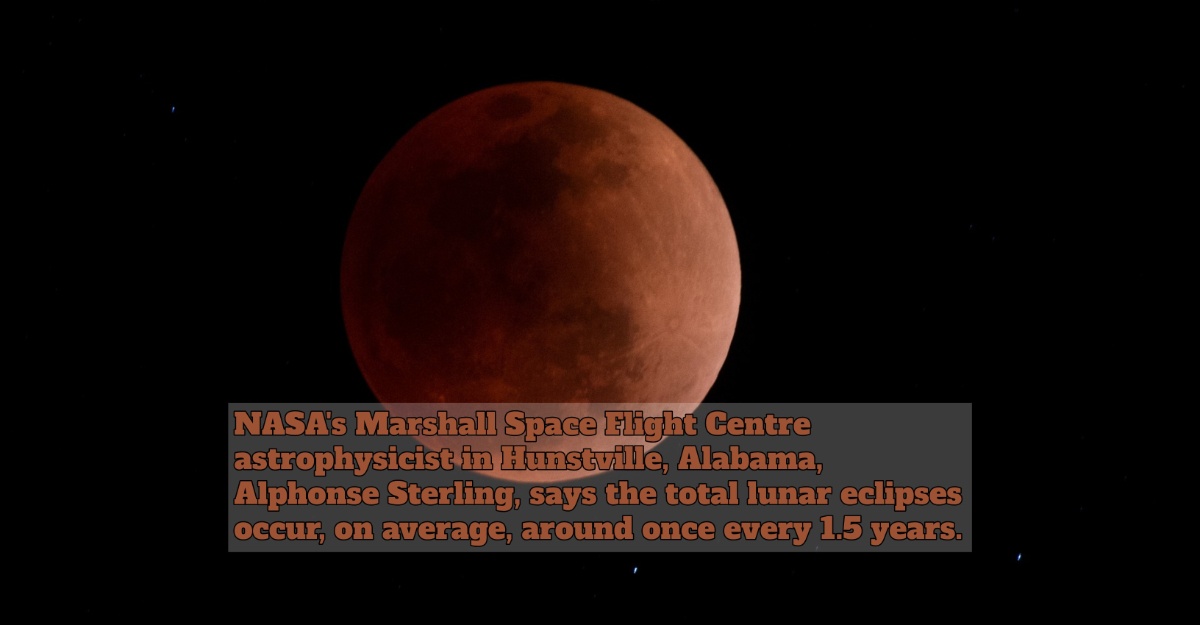
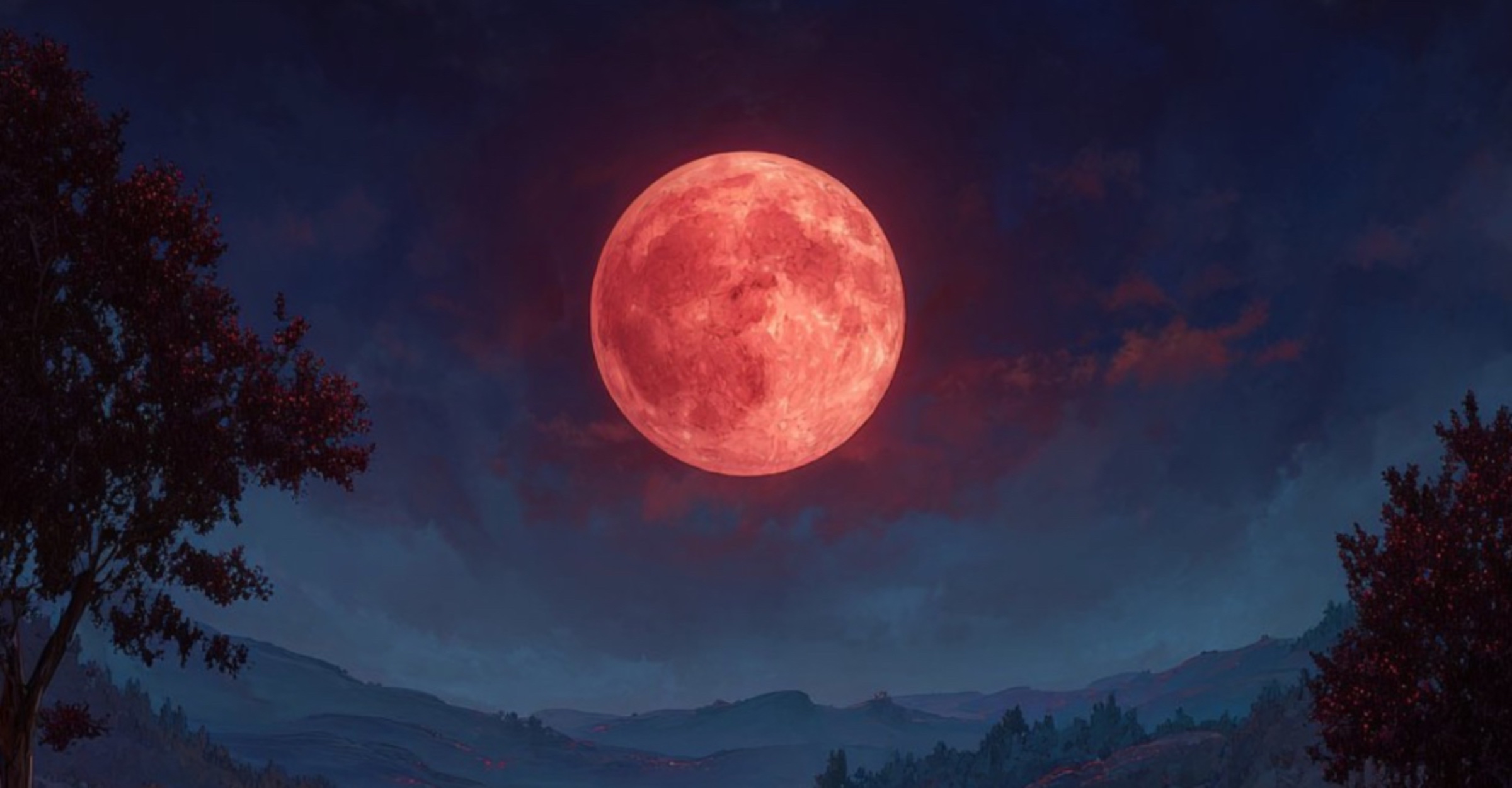
When the Moon enters Earth’s darkest shadow, it turns a deep reddish-orange colour — often called a “Red/Blood Moon.”
This only happens during a full Moon, which makes it even more special.
Can Malaysians See It?
Unfortunately, Malaysia and most of Europe will not be able to see this eclipse clearly.
The best views will be in:
- Eastern Asia & Australia (evening)
- The Pacific region (visible most of the night)
- North & Central America (early morning)
Parts of Central Asia and South America will see a partial eclipse.
So if you’re in Malaysia, this one might not be our show but it’s still a stunning global sky event.
How to Watch a Lunar Eclipse (When It’s Visible Here)
Good news: You don’t need special equipment.
All you need is:
- A clear view of the Moon
- A dark spot away from city lights
Binoculars or a small telescope can help you see more detail but they’re not necessary.
What Actually Happens During a Lunar Eclipse?
Here’s the simple version:
- The Moon slowly enters Earth’s lighter shadow (slightly dimmer).
- Earth’s darker shadow starts covering the Moon, it looks like a “bite” is taken out of it.
- When fully covered, the Moon turns red.
- The red glow fades as the Moon exits the shadow.
The whole event can last several hours.
Why Is It Called a “Blood Moon”?
During totality, sunlight passes through Earth’s atmosphere before reaching the Moon.
That atmosphere filters out blue light and lets warm red and orange tones through, the same colours we see during sunrise and sunset.
So technically, the Moon is glowing with every sunset happening on Earth at once.
Bonus: More Sky Events in March
On March 8, Venus and Saturn will appear close together in the sky, a beautiful planetary conjunction worth waking up early for.
Sources: NASA