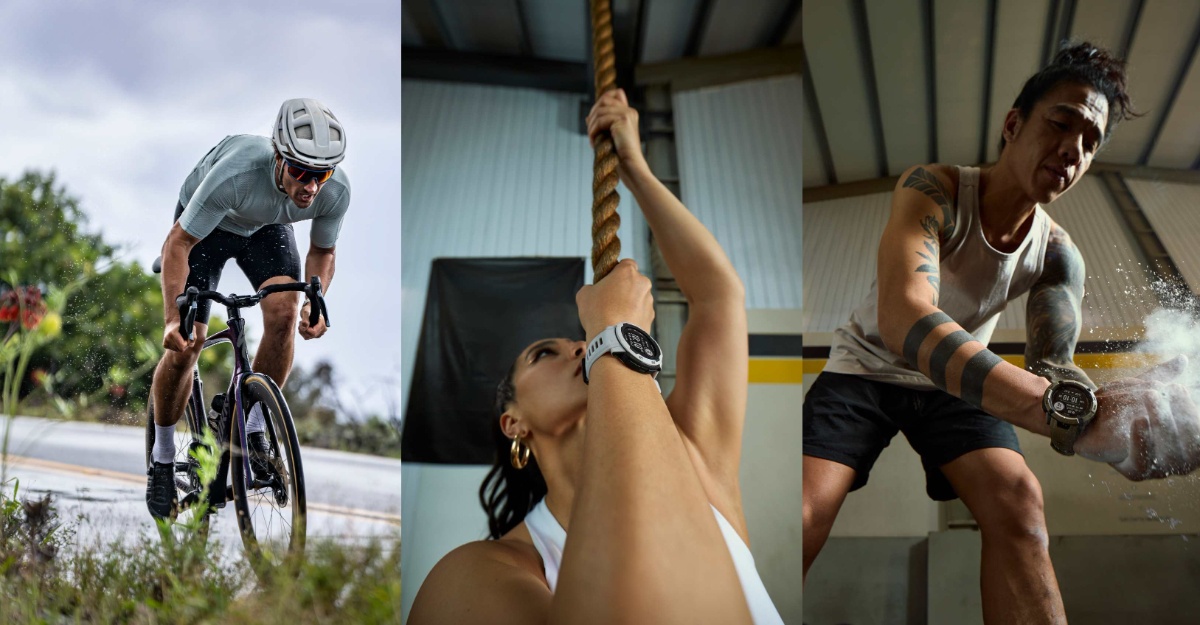

During Ramadan, the body and mind naturally adjust to a new routine. Fasting, changes in sleep patterns, and altered meal timings can create both physical and mental challenges. These shifts can be especially difficult for those who train consistently.
Maintaining regular training or sports activities during this period is essential to preserving consistency and supporting overall well-being.
Staying active doesn’t mean pushing at full intensity. Instead, it’s about training mindfully, sustaining energy, protecting recovery, and listening to your body throughout the month.
But how do you strike a balance when caring for both your body and mind?
Here are tips and advice from four athletes and a coach across different sports and professions: Zack Salim, Jalil Nasir, Hafizh Syahrin, and Amar Baharin.
These individuals share their personal approaches, challenges, and strategies to help others navigate training effectively.
Drawing from their experiences in endurance, speed, strength, and discipline across their respective fields, they share valuable insights. These tips can help you better listen to your body and train wisely.
Additionally, these insights aim to support a realistic and sustainable training routine throughout the spiritual journey of Ramadan.
For Garmin users, you can download the Garmin Mecca Finder widget from the Connect IQ store to help plan your workout timings around prayer times.
Tip #1: Plan your training schedule
During the fasting month, the change in your usual routine can be stressful on the body.
You’ll likely experience shifts in energy levels and your capacity to train.
Understanding the shifts in your body can be a helpful advantage in planning your daily training schedule to suit your body’s current state.
This will allow for a more curated routine intensity where consistency remains, but the intensity is not overwhelming and overexerting to your body.

Jalil Nasir and Amar Baharin highlight their tips on planning and adjusting the training intensity for Ramadan.
In the fasting month, they tend to reduce the intensity of training to meet their body’s needs in the progress of training.
To enhance training effectively, Jalil Nasir mentioned,
“I rely heavily on Garmin metrics like heart rate and training readiness to guide intensity and avoid overreaching,”
and Amar Baharin will take notice of his heart rate and recovery times to arrange his training scale.
He mentions that:
“If the heart rate sees a quick increase even at moderate activities, it could be a reflection that the body is not quite warmed up,” which will prompt him to further tweak his training to fit his capacity.
Here’s the breakdown of Jalil Nasir and Amar Baharin’s training schedules as seasoned trail running and cyclist during Ramadan:
Jalil Nasir:
- Train 2 hours after iftar
- Focus on slow run (Zone 1-2) to build aerobic capacity and muscular endurance
- Try to aim for total weekly run of 40 km in between the training
Amar Baharin:
- Ride after solat tarawih
- Around 2 hours of riding but with moderate efforts (Zone 2), nothing too heavy
- Aims for weekly mileage of 60 KM
Tip #2: Rest for best performance
Resting is the foundation of peak performance. It is during recovery that the body rebuilds, adapts and strengthens making it essential for long-term training conditions and consistency.
Training during Ramadan demands more from your body than usual, especially while fasting. That’s why prioritizing rest and recovery becomes even more important to sustain energy and vitality.
Sleep remains one of the key factors for recovery during this season. Zack Salim and Amar Baharin emphasise the importance of getting sufficient rest.
This could mean going to bed earlier at night or fitting in short 5–10 minute power naps during the day.
These small adjustments can significantly help your body recover especially when you are feeling depleted.
Jalil Nasir also shares that:
“The act of fasting is a form of exercise for the body. We should not feel that we are stagnant during fasting and give our body ample time to rest and recover is as important as chasing numbers.”
Hafizh Syahrin echoes that thought stating that lack of rest can be detrimental to progress:
“If you chase peak numbers, you’re stressing a system that can’t fully recover which leads to performance drop, not gain,”.
To stay aligned with their recovery needs, all four use their Garmin watches to monitor rest and sleep. This helps them stay on track and optimise their training routines.
Personally, Zack Salim and Amar Baharin refer to the Garmin Sleep Score to better understand the quality of their rest and prepare accordingly for the day’s training load.
Meanwhile, Hafizh Syahrin and Jalil Nasir turn to Body Battery to gauge their available energy levels based on their stress, recovery and energy output of the day to help them decide their training for post-sahur or the intensity of their workout.
Tip #3: Eat wisely to maintain consistent energy
With food being a big part during Ramadan, consciously consuming food and hydration during sahur and iftar is key in sustaining energy throughout the long fasting hours.
The quality and balance of your meals directly influence how you feel, how you perform, and how well you recover.
For seasoned coach like Zack Salim and athlete Amar Baharin, sahur is about strategic nourishment.
They recommend incorporating carbohydrates for sustained energy, while placing greater emphasis on protein, and proper hydration.
Most important is to make sure you are not overeating to avoid the body becoming too heavy, which can hinder hardcore training and energy level throughout the day.
Iftar is important after a long period of fasting. To ease into your meal, Amar Baharin mentioned that he will start with simple food first, such as dates and water, and have his meal in moderation, nothing fancy, just whole foods to nourish the body.
Jalil Nasir and Hafizh Syahrin emphasise that fasting does not mean completely cutting out your favourite bazaar treats but is about balance and timing.
Jalil shares that you can still enjoy heavier options like roti john or kuih, but being mindful of when and how much you consume makes all the difference.
For example, he opts for a controlled portion after training, sometimes half a serving of a heavier meal for supper to refuel without overloading.
Hafizh echoes the same principle of moderation: while it’s normal to feel tempted by the wide spread of Ramadan dishes, he believes in taking just a small taste instead of overindulging.
Planning nutrition can also be supported through smart tracking. With features available on Garmin Connect + Nutrition, users can better monitor their diet and align their nutritional intake with their fitness and wellness goals, helping them stay consistent, even during Ramadan.
Tip #4: A positive mindset to support your Ramadan journey
Perhaps the biggest challenge during Ramadan isn’t physical, it’s mental. Staying consistent with training while fasting requires willpower, patience, and self-belief.
Adopting a positive mindset can make all the difference, helping you regulate emotions, manage expectations, and sustain energy throughout the month.
As Hafizh Syahrin mentioned that this Holy Month is not about breaking records but showing up for yourself each day,
“Consistency is built on fulfilling the requirement, not chasing the perfect feeling,” he says.
“Ramadan is not the time to prove something. It’s about becoming better overall physically and spiritually.”
Both Hafizh Syahrin and Amar Baharin emphasise the importance of patience during training, reminding others not to let ego get in the way of small progress achieved along the way.
For Jalil Nasir, how he views mindsets and encourages himself during Ramadan,
“Honestly, mindset doesn’t change. Many people misunderstand or feel the month of Ramadan will make training even harder, but it is actually all about understanding and listening to your body,” he explains.
“I tell myself that every training, regardless of speed, strength or distance, is a win in itself”.
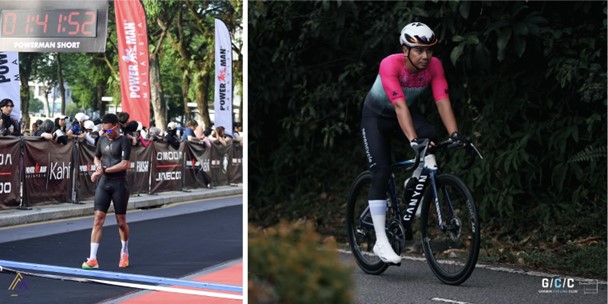
This Ramadan, take the time to listen to your body. Understanding your capacity and maintaining steady progress through every season of your fitness journey can be made easier when you have the right tools to guide you. With Garmin by your side, you can train smarter, recover better, and stay consistent, even during fasting.
Enjoy Garmin’s special Raya promotions of up to 48% discount on selected products along with complimentary Raya packets. Explore Garmin’s wide range of wearables at garmin.com.my and find your fitness companion for the season ahead.