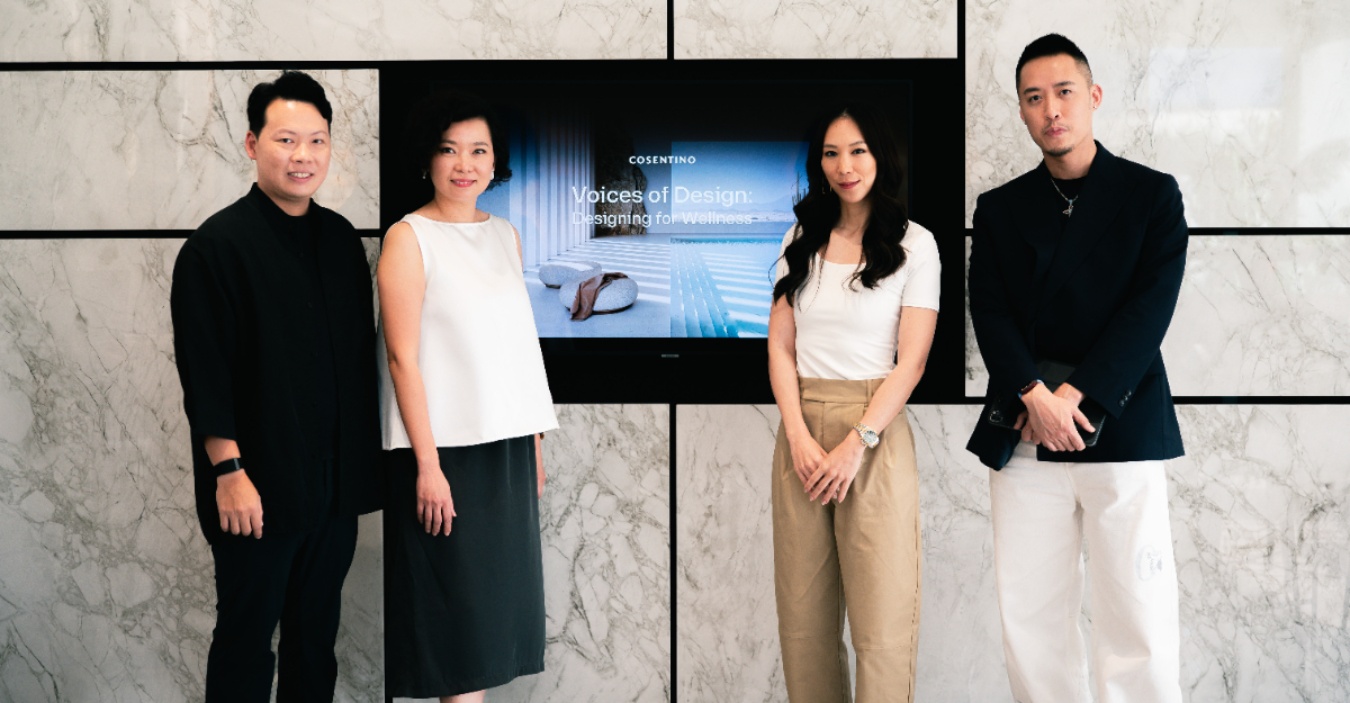
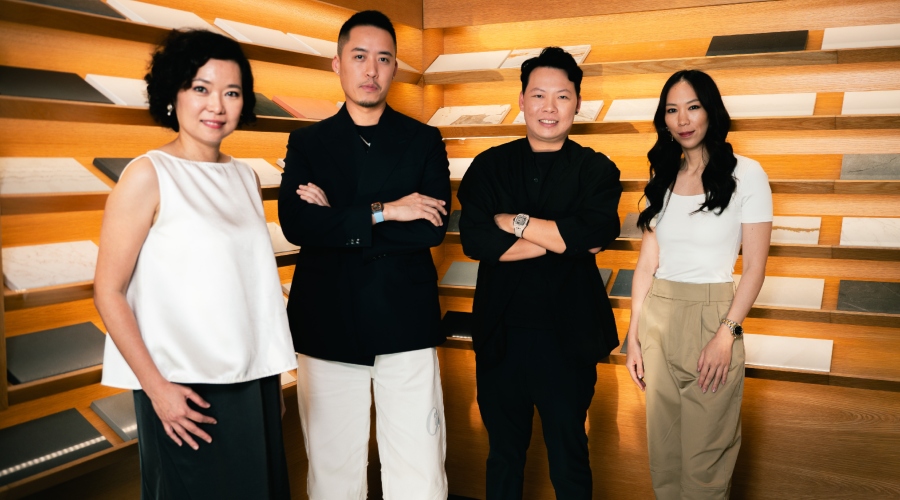
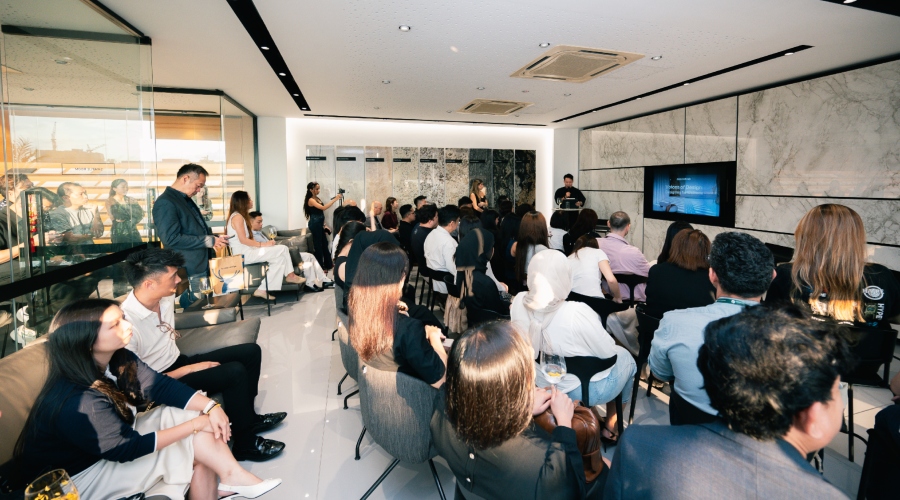
Kuala Lumpur, 23 June 2026 – Cosentino, in partnership with Matthew Lim, Founder and Principal of Matthew Lim Associates, presents its latest edition exploring the theme, “Voices of Design: Designing for Wellness”. Held at the Cosentino showroom, the session was moderated by Matthew Lim and featured Bryan Loo, Founder and CEO of Loob Holding; Diane Chia, Executive Director of Millenia Village; and Ar. IDr. Wong Hui Yi, Director of Design Matter. Together, the panel explored how thoughtful design can shape spaces that nurture wellbeing, connection and a sense of community.
Wellness Begins Before We Enter the Room
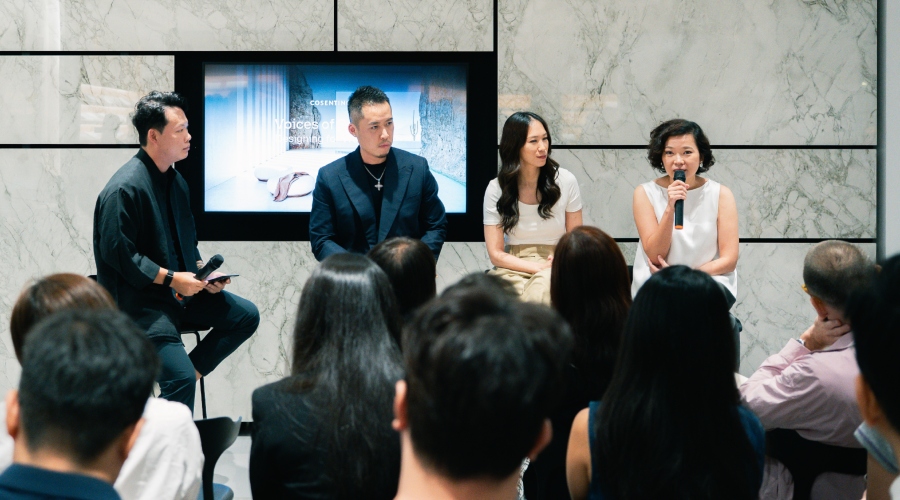
One of the most compelling insights from the conversation challenged a common assumption: that wellness starts once we step into a space.
For Ar. IDr. Wong Hui Yi, wellness begins much earlier.
“It starts the moment we approach a place—the journey, the arrival sequence, the first impression, the transition from the outside world into a different state of mind. As architects and interior designers, we have the opportunity to choreograph that entire experience.”
This perspective reframes wellness as an experience rather than a destination. Instead of focusing solely on individual design features, she views wellness through the lens of an entire journey.
“ I consider how people arrive, move, pause, interact, recover and reconnect within an environment.”
A key example is Hanami Urban Spa-scape, where she carefully curated a sequence of experiences—from the façade and front garden conceived as a contemporary Zen landscape, to the reception and the spaces conceived as a discovery garden, to the Forest and Spring experiences of the onsen spa and beyond. The intention was not simply to create beautiful rooms, but to gradually slow the mind, soften the senses and prepare the body for restoration.
Across the panel, speakers echoed a similar sentiment. Wellness is often felt rather than seen. It exists in the flow of movement, the comfort of a familiar corner, or the subtle sense of calm that a space creates without demanding attention. As Matthew Lim aptly puts it: “Wellness is not a room or a feature—it is the overall feeling a space leaves with you after spending time in it.”
Designing for Emotional Comfort
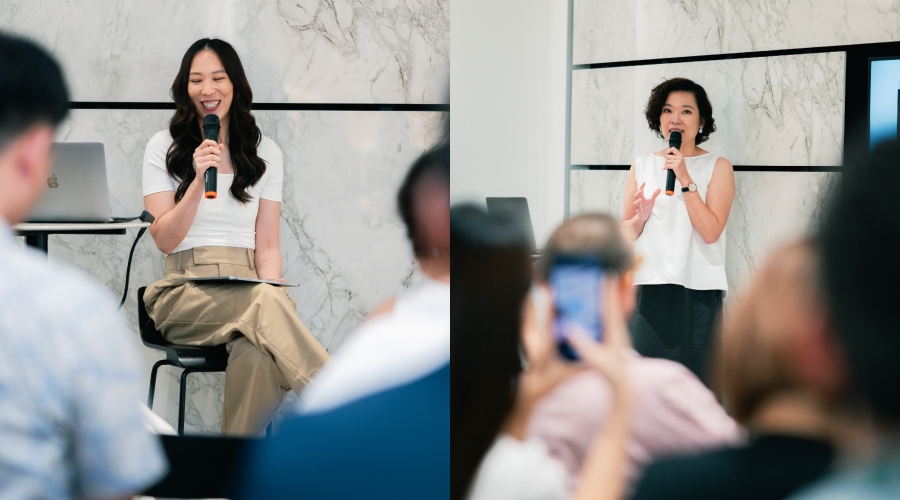
While wellness may be an increasingly popular design objective, creating truly restorative environments requires a deeper understanding of human behaviour and emotion.
For Matthew Lim, the key lies in reducing stress rather than creating stimulation.
“I often focus on three aspects: natural light, spatial flow, and emotional comfort. A well-designed space should reduce stress rather than create stimulation. It should feel intuitive to move through, comfortable to inhabit, and capable of adapting to different moods throughout the day.”
That sense of intuitive comfort was a recurring theme throughout the discussion.
“A wellness-centred space should feel intuitive rather than demanding. It should work quietly in the background. When all the elements come together, people may not notice the design itself—but they will leave feeling calmer, more balanced and more connected,” adds Ar. IDr. Wong Hui Yi.
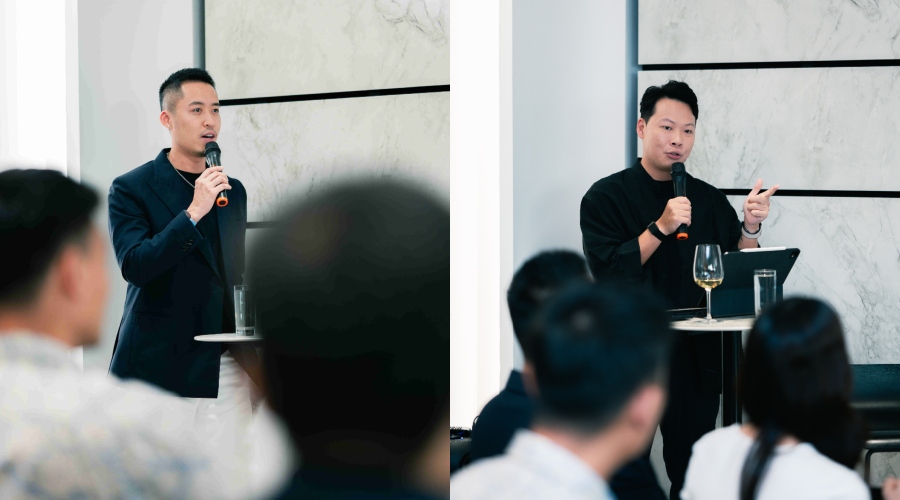
Bryan Loo similarly approaches design through a deeply personal lens, he explains,
“I designed for the kind of recharge that actually fits how I’m wired, not the kind that looks good on paper.” From the gym and pool to the courtyard and conversation pit, each space of his home is shaped around his daily routines, family life, and wellbeing. Diane Chia reinforces this view through projects such as Millenia Village and the Women Wellness Festival, sharing that “the most powerful environments are the ones that meet you where you are, not where the designer thinks you should be.”
The Power of Light, Texture and Atmosphere
If there was one element that consistently emerged as essential to wellness-focused design, it was light.
“When natural light, materiality, colour and texture come together harmoniously, a space begins to feel effortless”, says Wong Hui Yi.
“Light is what gives architecture life. The same room can feel entirely different depending on how sunlight enters it.” Matthew Lim agrees, highlighting its profound impact on wellbeing. “Natural light has a profound effect on human wellbeing. It regulates our body clock, improves mood, enhances productivity, and creates a connection with the outside world.”
Yet wellness is rarely achieved through a single design element alone. Instead, it is the harmony between materials, textures, colours and lighting that creates an environment that feels effortless. For Bryan Loo, texture often carries more emotional weight than colour.
“Texture mattered more to me than colour: limewash walls, natural stone, timber, soft textiles—things that hold your attention without shouting.” His team developed what he describes as a “hierarchy of light” that layers ambient, accent and diffused illumination to create spaces that feel alive rather than performative. “The effect I wanted was a room that breathes instead of one that performs.” That idea resonated strongly with Diane Chia’s belief that our surroundings ultimately shape our behaviours. The environment is always upstream of behaviour. Get that right and everything else follows.”
Material Choices That Support Wellbeing
Beyond aesthetics, materials play a significant role in shaping how a space functions, feels, and endures over time. For Wong Hui Yi, when selecting materials, she often evaluates them through two lenses.
“The first is emotional: what feeling does the material evoke? Does it feel warm, calming, grounded or uplifting? The second is functional: how well does it support comfort, hygiene, durability and long-term well-being?”
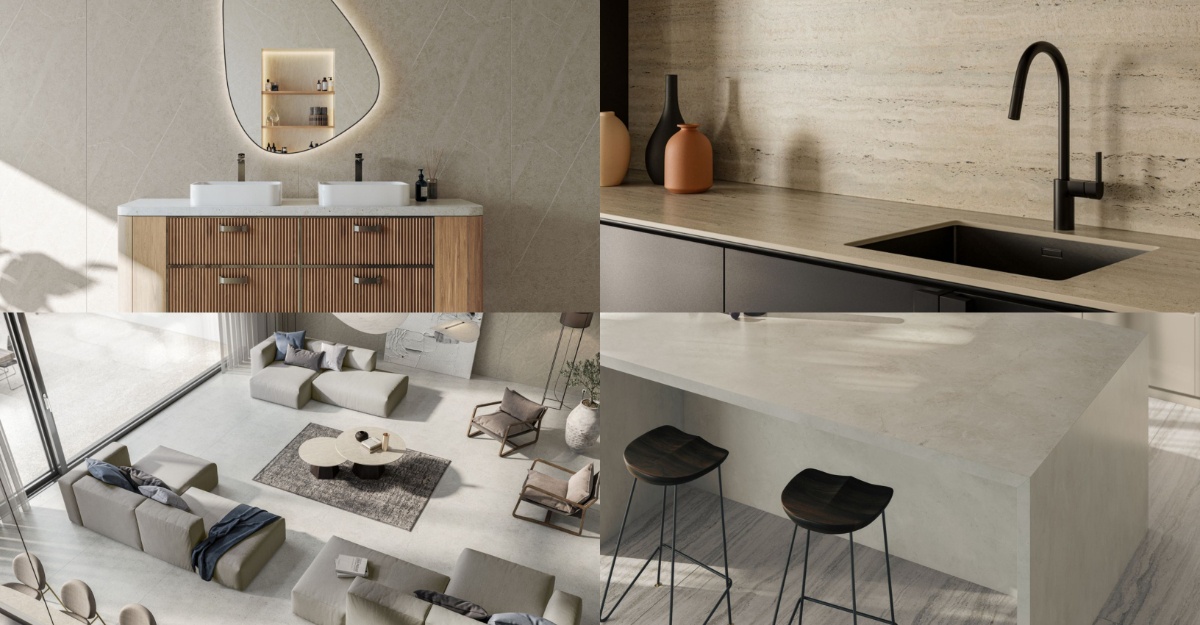
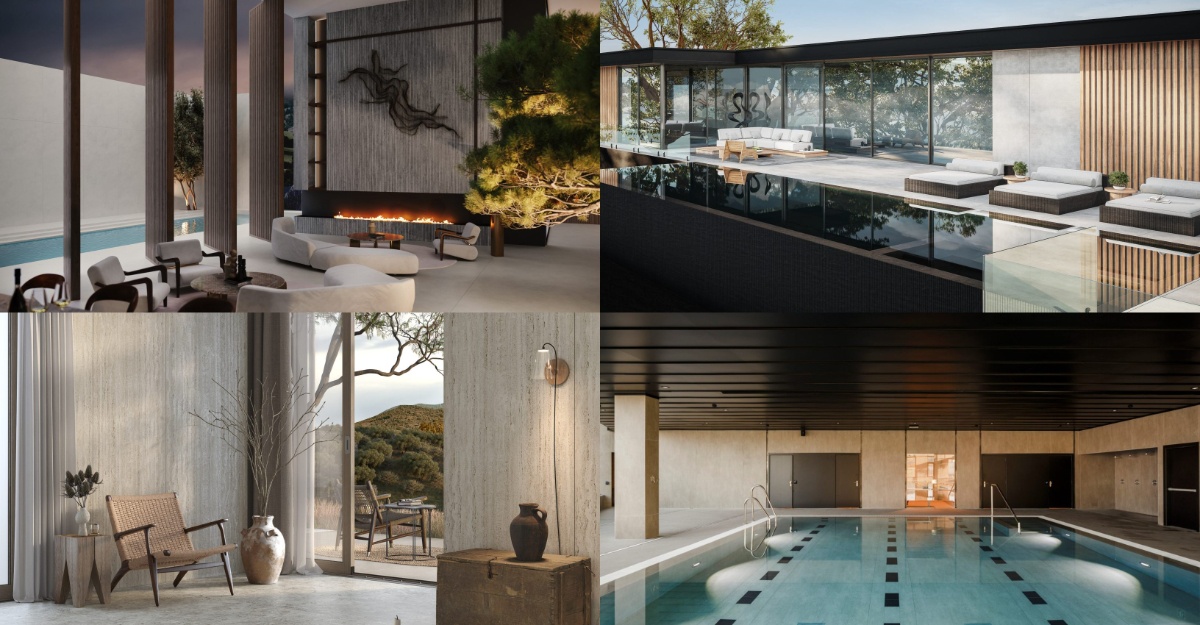
Her materials by Cosentino offer durability, low maintenance, stain resistance and hygienic properties alongside aesthetic versatility, making them highly suitable for wellness-focused environments where both beauty and performance matter. From a wellness perspective, “consistent materials, carefully considered textures and harmonious detailing can create a sense of calm, familiarity and visual coherence that reduces cognitive stress and enhances comfort.”
For Matthew Lim, materials influence wellness through both sensory and practical experiences. After using Cosentino in several projects, he felt that Cosentino has an ideal balance between performance and beauty.
“They allow us to create spaces that are durable, hygienic, and easy to maintain while maintaining a refined and timeless appearance.”
Cosentino’s Commitment to Design
The Voices of Design series marks Cosentino’s ongoing commitment to sparking ideas, dialogue, and collaboration within the interior and architectural design community. To experience Cosentino surfaces in person or for more inspiration, visit Cosentino Malaysia or book a personalised appointment at the Cosentino showroom at 1 Jalan TSB 8, Taman Sains Selangor, Petaling Jaya. Call 03 9212 1895 to discover how Cosentino surfaces can elevate your next project.