Malaysian students may feel ready to enter the workforce, but employers appear to have a different view.
A survey by the REHDA Institute Youth Initiative (RIYI) 2026 has highlighted a gap between how students perceive their workplace readiness and how employers assess fresh graduates.
According to the survey, 62% of students felt their universities had prepared them well for employment, while only 32.3% of employers agreed that local universities adequately prepare graduates for workplace realities.
The difference is even more apparent when it comes to how quickly fresh graduates are expected to contribute at work.
Some 41.6% of student respondents believed one to three months was a realistic timeframe for a fresh graduate to start adding commercial value to an organisation. However, just 2.9% of employers shared that expectation.
The findings were drawn from students and recent graduates across 21 Malaysian universities, alongside employers. RIYI noted that the targeted surveys provide insights into graduate and employer perspectives but are not nationally representative.
AI Could Change Entry-Level Opportunities
Another major concern highlighted by the survey is the growing influence of artificial intelligence on the job market.
While 76.4% of students surveyed said they regularly use AI tools, half of the employers surveyed expect AI to reduce the number of entry-level roles they hire for over the next three years.
The findings suggest that knowing how to use digital tools alone may not be enough. RIYI highlighted the importance of developing practical judgement, problem-solving and adaptability alongside digital skills as AI becomes increasingly integrated into the workplace.
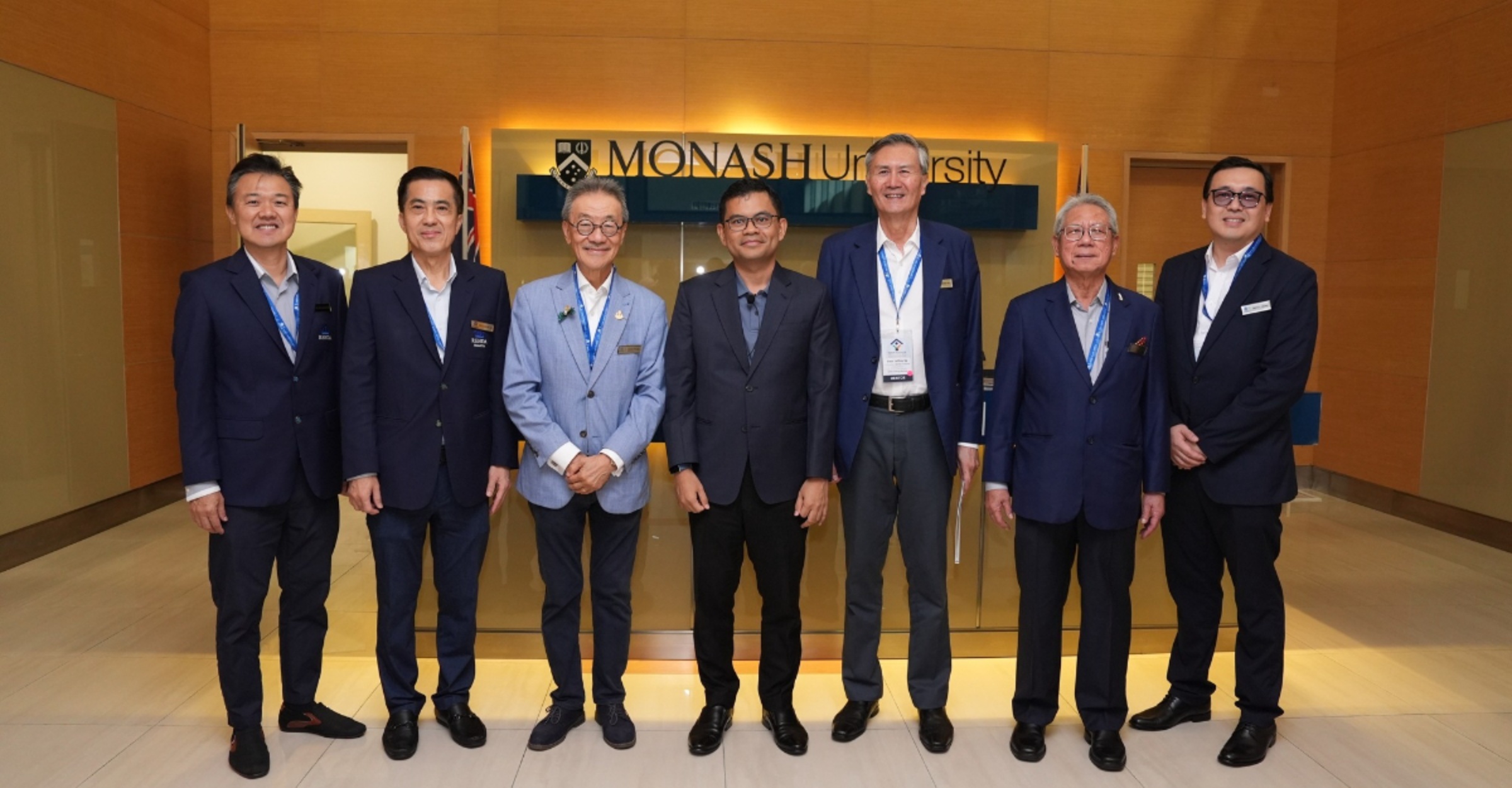
REHDA Institute Chairman Dato’ Jeffrey Ng Tiong Lip said university qualifications remain an important foundation, but young people also need a better understanding of how workplaces operate and what employers expect.
RIYI aims to bridge that gap by giving students direct access to industry leaders and mentorship while developing skills such as communication, resilience, judgement and adaptability.
Salary Transparency And Working Abroad
The survey also offered an interesting look at what young Malaysians expect from their future careers.
Some 82.4% of students supported compulsory salary-range disclosure in job advertisements, compared with 58.3% of employers.
Meanwhile, 57.1% of students surveyed said they were likely or very likely to work outside Malaysia within the next five years.
There was, however, some common ground between students and employers when it came to career development.
About 79.4% of employers said they were willing to provide structured quality training and a clear career path in exchange for a retention commitment, while 67.6% of students said they would accept such an arrangement outright.
Bridging University And The Workplace
The findings come as Malaysia seeks closer alignment between higher education and industry under the Thirteenth Malaysia Plan (RMK13), 2026–2030.
Among the measures outlined under RMK13 are closer industry involvement in talent development, more demand-driven learning and a proposed mandatory paid internship scheme.
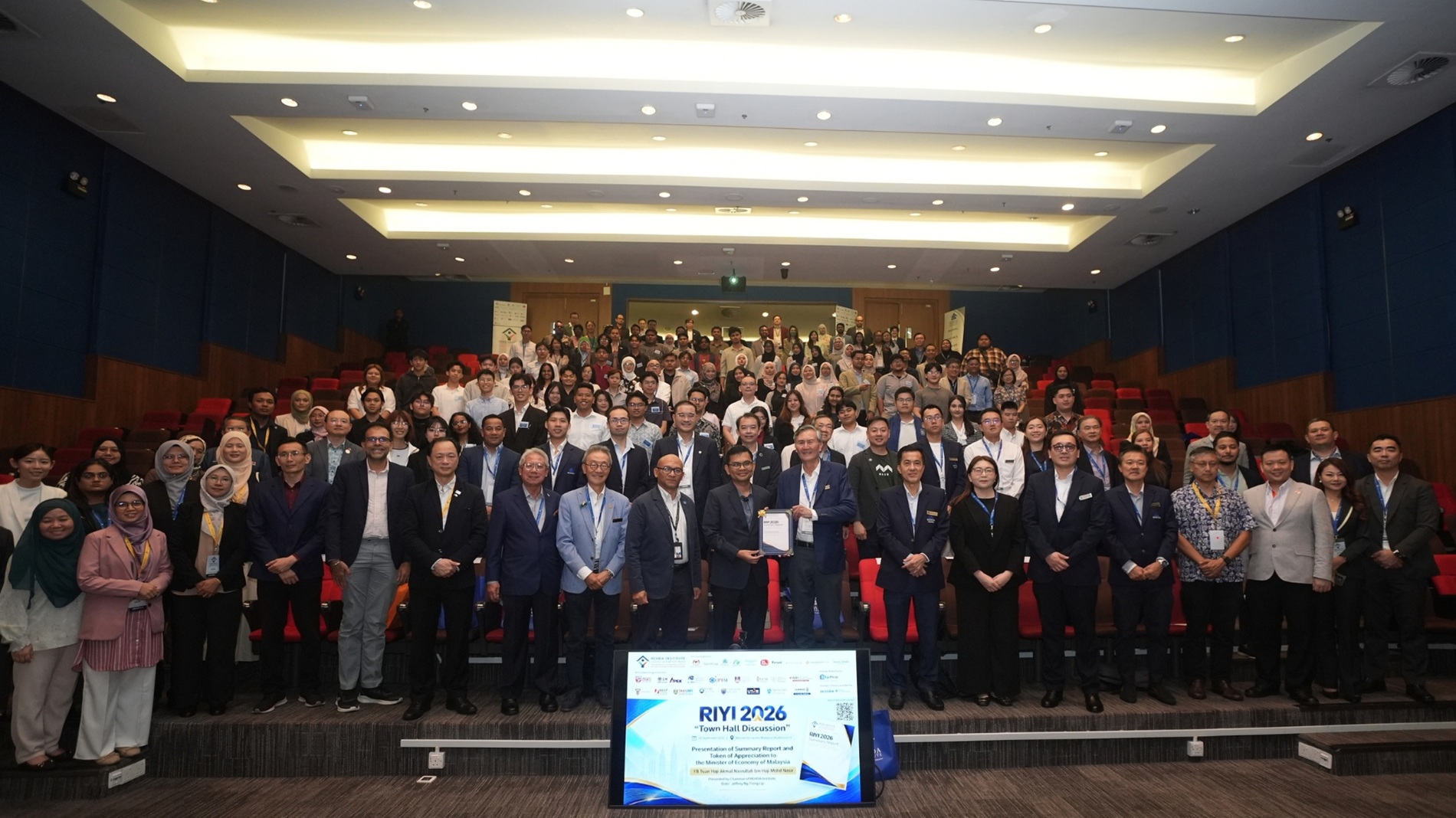
RIYI 2026 brought together students from more than 21 universities, with its final session, “Climbing the Career Ladder in the AI Era,” exploring how AI could affect junior roles, productivity, decision-making and the skills expected of future leaders.
With AI rapidly changing how work is done, the findings point to a changing reality for fresh graduates: getting the qualification may only be the beginning. Building practical skills and understanding what employers expect could become increasingly important when taking that first step into the workforce.