

TP-Link Officially Launched Wi-Fi 8 In Malaysia To Power The Next Wave Of Digital Transformation
Malaysian organisations are relying more heavily than ever on cloud platforms, AI tools and a growing web of connected devices to run day-to-day operations, and the networks carrying that load are being tested like never before. A single dropped connection can now mean a stalled video call, a delayed transaction or a frustrated customer, at a time when the country is racing to build the digital backbone behind its ambition to become an AI nation by 2030.
It is against this backdrop that TP-Link Malaysia – a global provider of reliable networking devices and smart home products, consistently ranked as the world’s top provider of Wi-Fi devices – officially launched Wi-Fi 8 in Malaysia at the recent TP-Link APAC B2B Summit 2026, held at Kuala Lumpur Convention Centre under the theme “Together We Connect the Future.”
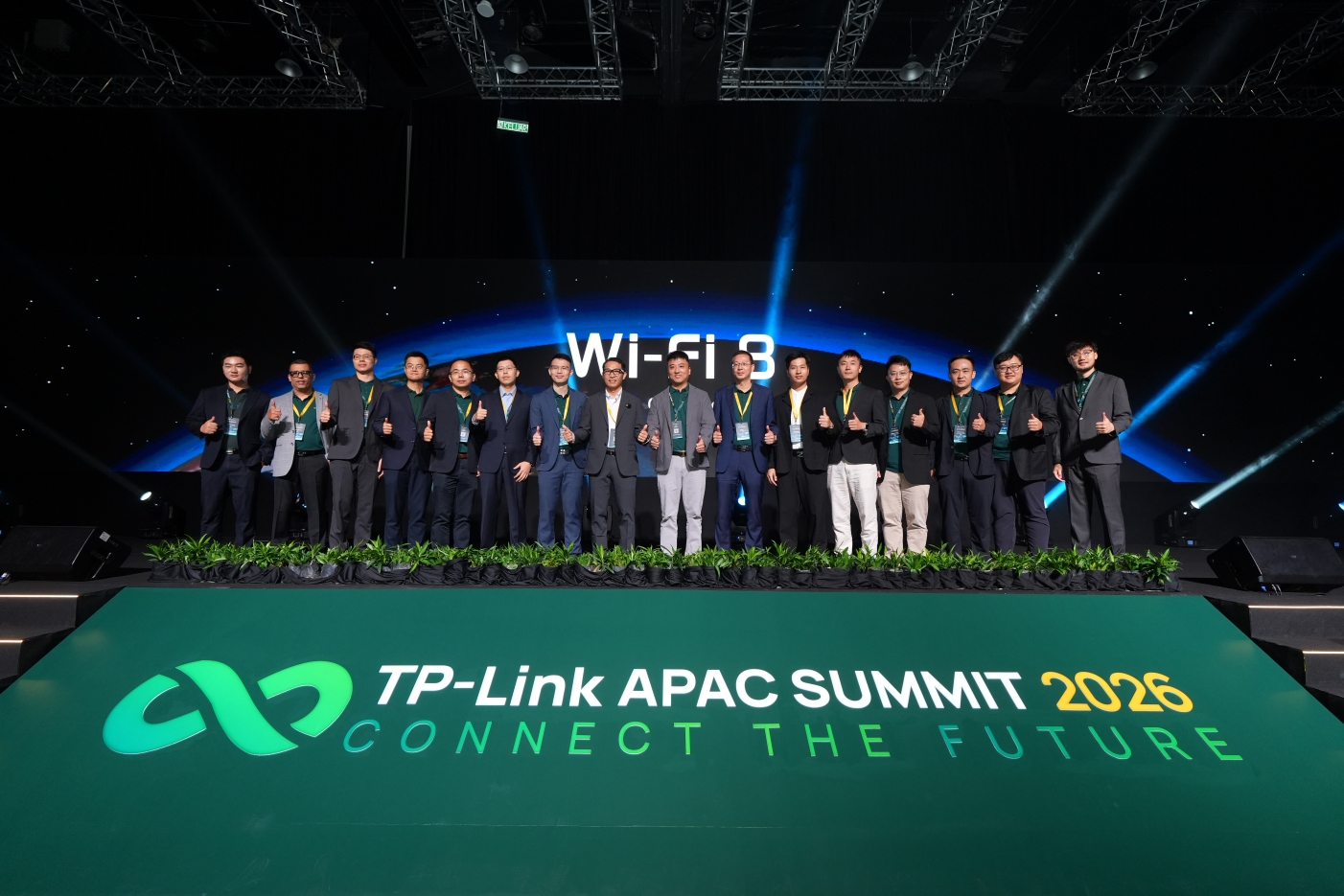
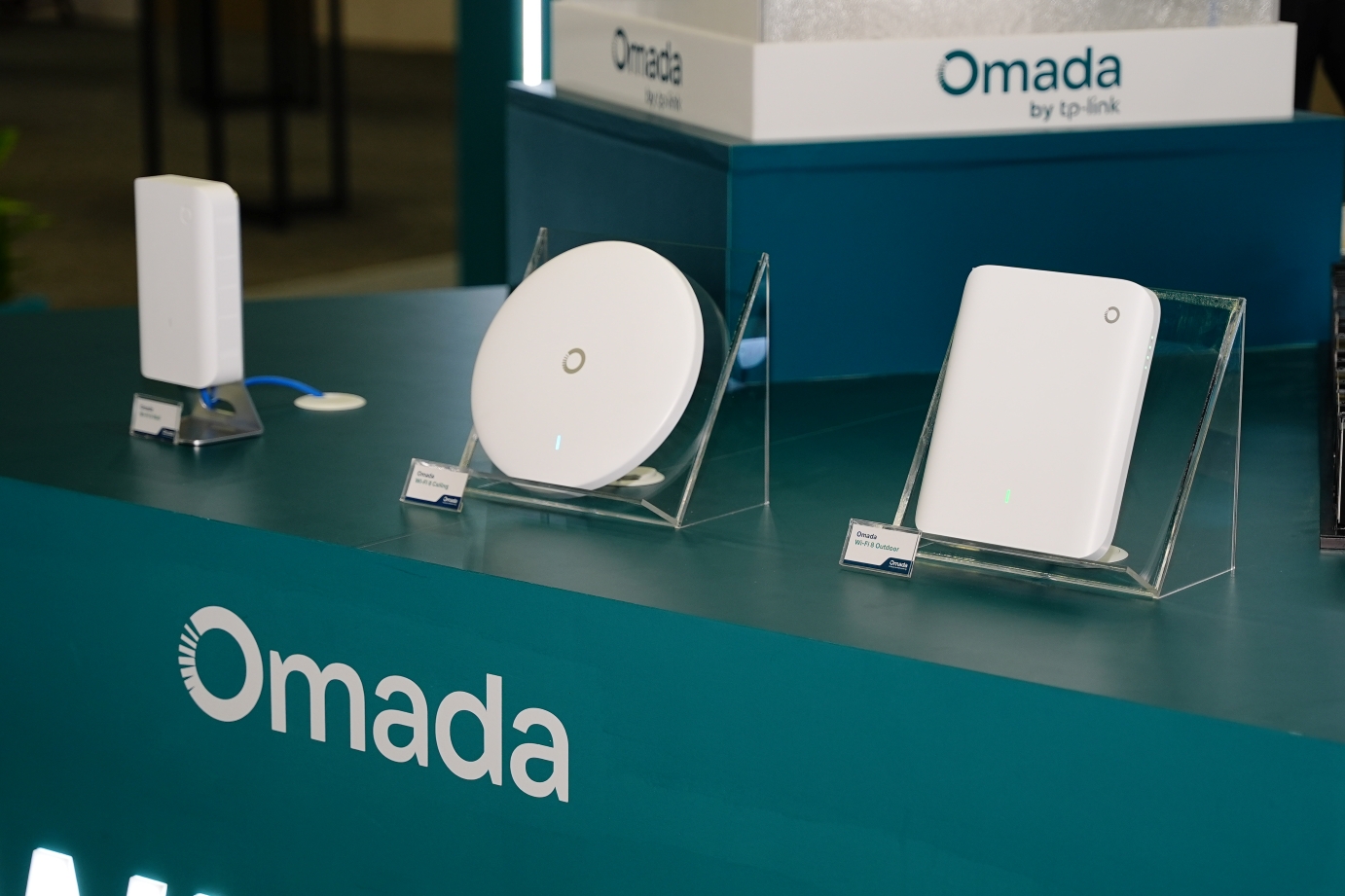
At the Summit, TP-Link showcased the Archer 8 Ultra router and Deco 8 Ultra mesh Wi-Fi system, while offering a first look at its forthcoming Omada Wi-Fi 8 platform for the business networking segment.
“For years, wireless technology has been sold on speed. But speed means little if a connection drops mid-meeting or a cloud application stalls at the worst possible moment,” said Mr Brian Dong, Vice President of TP-Link Asia-Pacific.
“As Malaysian organisations bring more AI and cloud-based systems into daily operations, reliability becomes the real currency of digital transformation. This launch reflects TP-Link’s commitment to giving Malaysian businesses and households a network foundation they can look forward to building on with confidence.”

Built on the upcoming IEEE 802.11bn standard, Wi-Fi 8 is engineered around what TP-Link calls its Wi-Fi 8 StabilityEngine – a system designed to strengthen coverage, manage congestion and reduce interference, so that connections stay consistent even as more devices compete for the same network.
The timing reflects where Malaysia’s digital economy is heading. The government’s newly launched Malaysia Digital 2030 (MD2030) action plan targets a 30% digital economy contribution to GDP and 500,000 high-value digital jobs by the decade’s end, while the information and communication sub-sector alone attracted RM152.9 billion in approved investments in 2025, led by AI, data centres, and cloud computing. Against that backdrop, unreliable Wi-Fi is no longer a minor inconvenience: it disrupts video conferences, slows access to cloud-based systems, and costs organisations in productivity and customer experience, whether in a hospital, a hotel lobby, or a busy retail floor.
Once commercially available, Wi-Fi 8 is expected to deliver steadier coverage across large, crowded or multi-floor premises, stronger connections for devices further from an access point, and better performance during peak traffic. For Malaysian organisations, this points towards smoother video conferencing in offices and university campuses, fewer service interruptions in hotels and retail outlets, more dependable connectivity in hospitals, and steadier performance on factory floors as manufacturers push ahead with Industry 4.0 adoption – with the same reliability-first thinking expected to carry over into Malaysian homes juggling multiple smartphones, smart televisions, and smart-home devices on one network.
Beyond Wi-Fi 8, TP-Link is also expanding into unified network and surveillance management with its new Fusion Pro Series, bringing networking and security infrastructure together under a single platform for businesses.
As networking and surveillance become more integrated, TP-Link is also looking at how AI can further enhance these connected environments. The company announced plans to form the Omada-VIGI AI Application Developer Alliance, bringing together AI companies, independent developers, and technology partners to combine TP-Link’s networking and surveillance technologies with partner AI applications. The goal is to make AI-powered solutions easier to build and deploy across everyday settings such as smart classrooms, retail spaces, factories, and hospitality venues, extending the same reliability-first thinking behind Wi-Fi 8 into how AI gets integrated across a connected environment.
TP-Link is also strengthening local talent development to support Malaysia’s growing need for networking skills. The company has signed MOUs with three universities in Malaysia to introduce Omada networking courses and hands-on training, helping build technical capabilities for increasingly connected and AI-enabled environments.
“Malaysia’s digital ambitions depend on connectivity that simply works, all the time, everywhere,” said Mr Brian Dong.
“TP-Link is committed to working with local partners, businesses, and industry stakeholders to strengthen technical readiness and grow the Wi-Fi 8 ecosystem, so that more Malaysian organisations and households can rely on next-generation connectivity as their needs continue to grow.”
For more information about TP-Link Malaysia, please visit https://www.tp-link.com/my/.