In Malaysia, sago (rumbia) has long been part of Sarawak’s culinary heritage, with traditional favourites such as Sago Gula Melaka, Linut and Tebaloi keeping this ancient ingredient alive across generations. Today, sago is gaining fresh attention as consumers increasingly seek plant-based, gluten-free and sustainably sourced food options.
Globally, growing interest in functional foods and healthier diets is driving demand for naturally gluten-free ingredients. The global gluten-free products market is projected to reach USD 13.7 billion by 2034, growing at a CAGR of approximately 5.9%, while Asia Pacific is expected to see faster growth at up to 11.1% between 2025 and 2030.
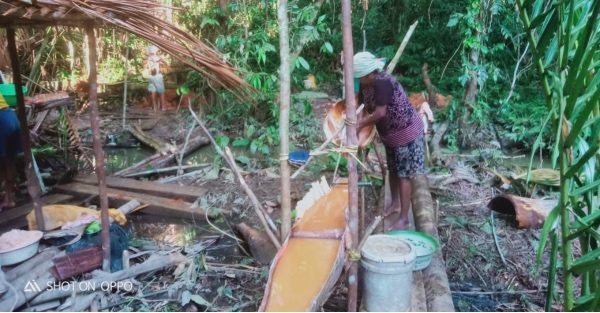
Beyond its nutritional appeal, sago carries a deeper story, one rooted in indigenous knowledge, environmental stewardship and community resilience. In South Sorong, Papua, the Tehit Knasaimos Tribe is preserving its ancestral relationship with the sago forest while transforming this traditional resource into new opportunities for its people.
For the people of South Sorong, sago is closely tied to their identity, culture and relationship with the forest. Through the Merdesa Village School (SEKAM), a programme established by the Bentara Papua Association, village youth are encouraged to take part in natural resource management while preserving traditional practices.
The community is guided by the ancestral philosophy of “Tabraw’o mamfe teme”, meaning “The forest is our Mother”. Shared across six sub-tribes, this belief reflects their responsibility to protect their customary lands and the diverse sago varieties that sustain their community.
However, this relationship with the forest faced threats from illegal logging and land degradation, leaving some areas barren. In response, the community began independent reforestation efforts in 2018 and 2019, replanting sago to restore degraded areas and improve the ecosystem.
Ewil M. Woloin, representing the SEKAM youth of South Sorong, explains that the community’s journey has involved encouraging people to continue caring for their ancestral lands.
“We tried to educate the community to replant the sago they cut and use barren forest land for reforestation. Our struggle has been long; since 1996, the community has consistently rejected palm oil to ensure this forest remains,” says Ewil.
Through a comparative study in Riau, the community strengthened its understanding of peatland ecosystems. The initiative has also encouraged women’s participation in seed selection and food sustainability, while engaging youth to preserve traditional knowledge.
Mentorship and Empowerment For a Restorative Economy Region
To support Ewil and the SEKAM youth, the Bentara Papua Association established the Sira Bentara Papua Station in South Sorong as a hub for product development and community learning. The station supports youth and women in transforming sago into value-added products under the brand Tepung Sagu Mangsir, creating new economic opportunities for the community.
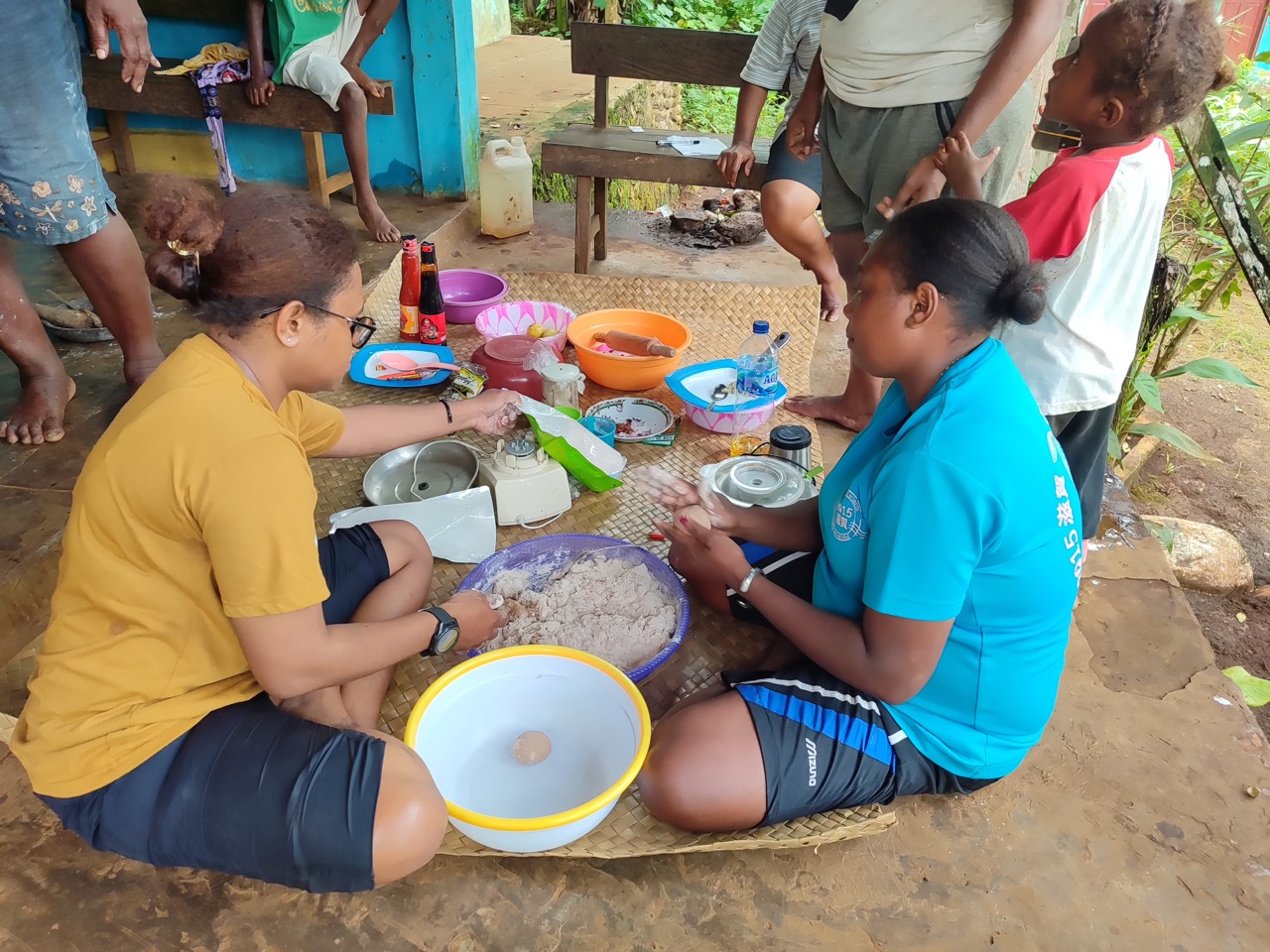
“Our main goal is to prove they do not need to leave their hometown to prosper; it is enough to process what is on their own customary land,” says Alink Syafril, Coordinator of Sira Bentara Papua Station.
Previously focused mainly on self-consumption, the community has since transformed sago into value-added products such as sago noodles, cakes, cendol and cookies through mentorship and training, shifting perceptions around sago’s economic potential. “The initial spirit had declined due to marketing limitations, but after we facilitated training, product introductions, and volunteer support, they began to see the economic opportunities from sago processing,” says Ewil. The Sira Bentara Papua Station also supports communities in obtaining permits and strengthening marketing strategies to reach wider markets.
“In addition to helping with product development mentorship, we also assist in obtaining product permits and mentoring marketing strategies so the products can penetrate wider markets and not stop halfway. By cutting the distribution chain and strengthening the institutional capacity of residents, we help build a restorative economic foundation where the financial profits gained will be cycled back to restore the forest and strengthen social cohesion in South Sorong,” says Alink.
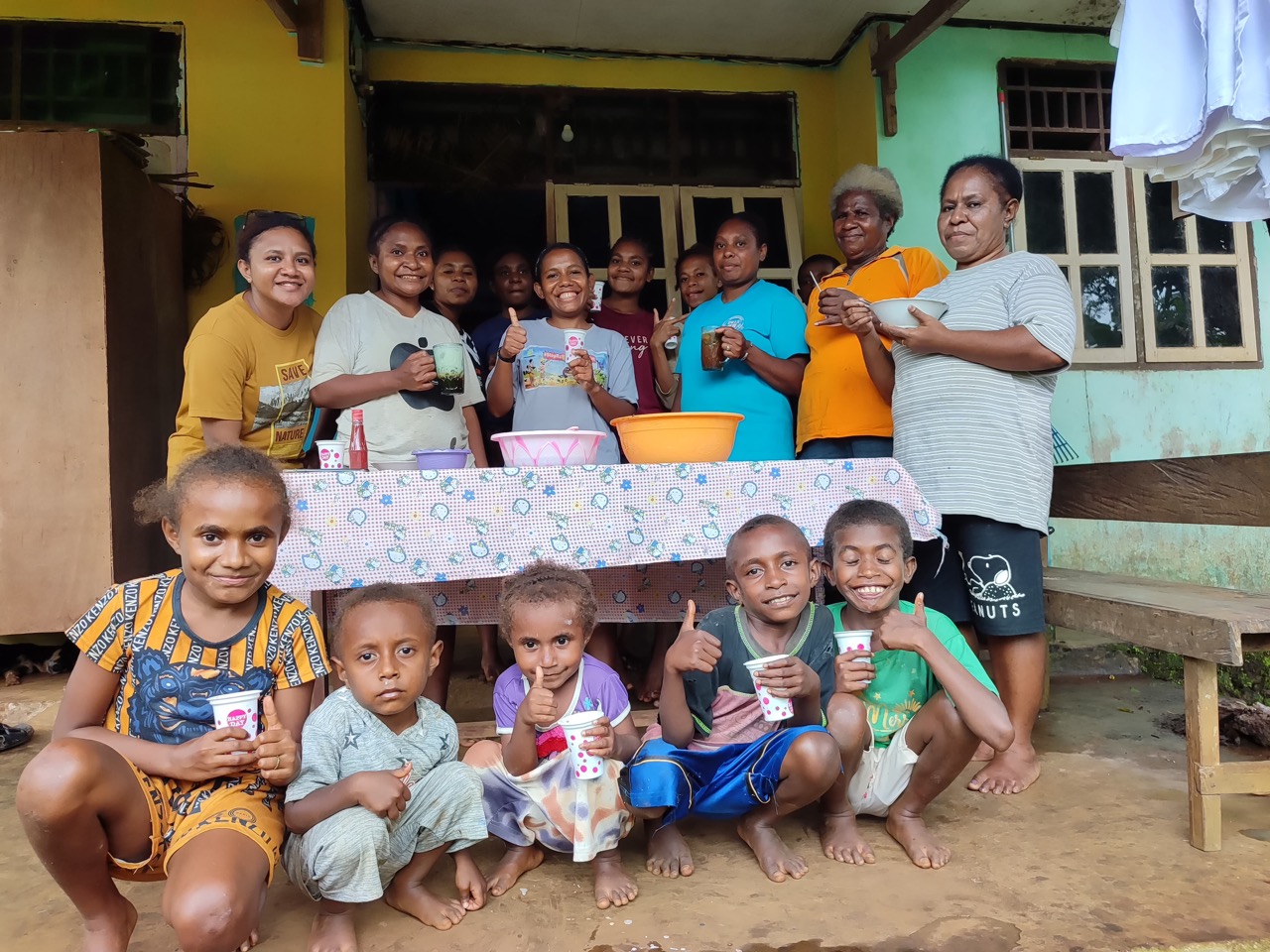
Through sago-based products, community members have gained additional income opportunities, with group members seeing an average income increase of IDR 1,000,000 (MYR 226.36). “Welfare does not have to come from destroying nature, but from how we honor what the sago forest has provided,” Alink emphasises.
The initiative has also strengthened women and youth participation by 60% through the Kna Mandiri Cooperative, while approximately five hectares of sago have been replanted in degraded forest areas, helping revive 11 companion tree varieties and preserve four superior local sago varieties, namely Falya dla (non-thorny), Fa Sampe (thorny), Fablen (coastal sago), and Fanomik (partially thorny).
As Ewil concludes, “Our great hope is that the community remains steadfast in guarding the forest. The involvement of youth today is a guarantee that in the future, there will be no more barren forests and no more youth who lose their identity as indigenous children of Papua.”