Heart health isn’t just about working out and eating well. Your everyday activity, stress, HRV and sleep can also offer clues about how your body is responding.
When it comes to looking after our hearts, most of us know the basics — eat well, stay active and get enough sleep.
But there are other everyday signals worth paying attention to too.
In Malaysia, ischaemic heart disease remained the leading cause of death in 2024, accounting for 17,421 deaths or 13% of medically certified deaths, according to the Department of Statistics Malaysia (DOSM).
While regular health screenings and medical advice remain important, wearable technology can help us keep track of certain patterns in our everyday lives.
For World Heart Day, Garmin highlights four health signals that could give you a better picture of how your body is doing.
1. It’s Not Just About Your Workout
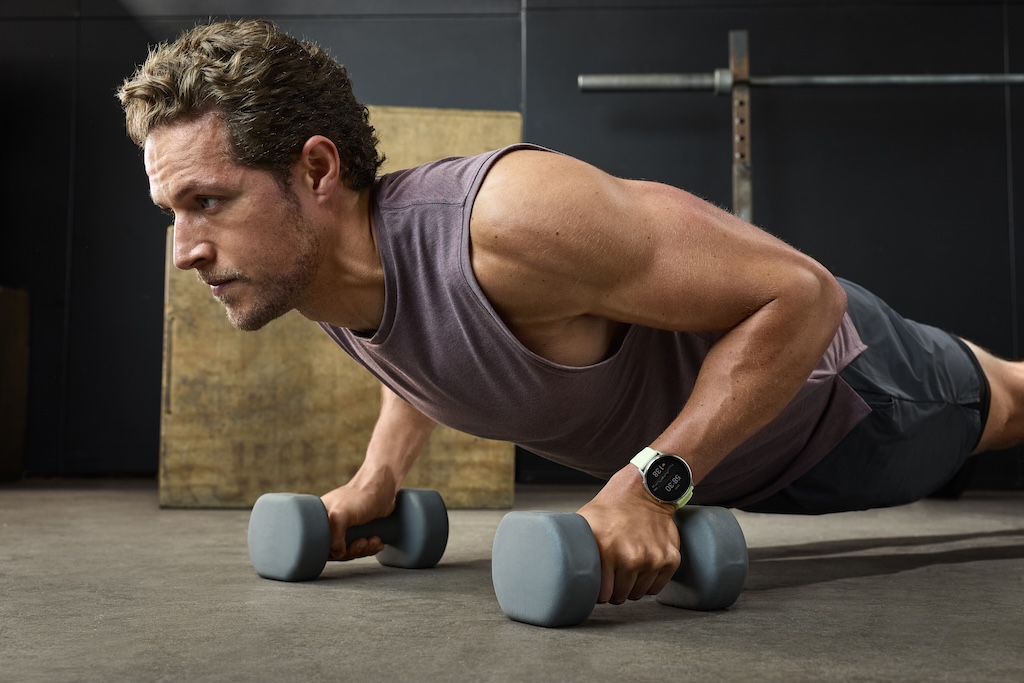
You don’t need to spend hours at the gym to be active.
Walking during lunch, taking the stairs, cycling on weekends or simply getting more steps throughout the day all count. For those stuck at a desk most of the day, these small moments of movement can add up.
Garmin’s analysis of data from tens of millions of users found that people who were more active generally had lower resting heart rates. The trend was seen across activities including running, cycling, swimming, yoga, strength training and daily steps.
That doesn’t mean a lower resting heart rate automatically means better heart health. Resting heart rate differs from person to person and can be affected by factors such as age, fitness, stress, sleep and medication.
The takeaway? Don’t just track your workouts. Look at how much you move throughout the entire day.
2. Pay Attention To Stress Patterns
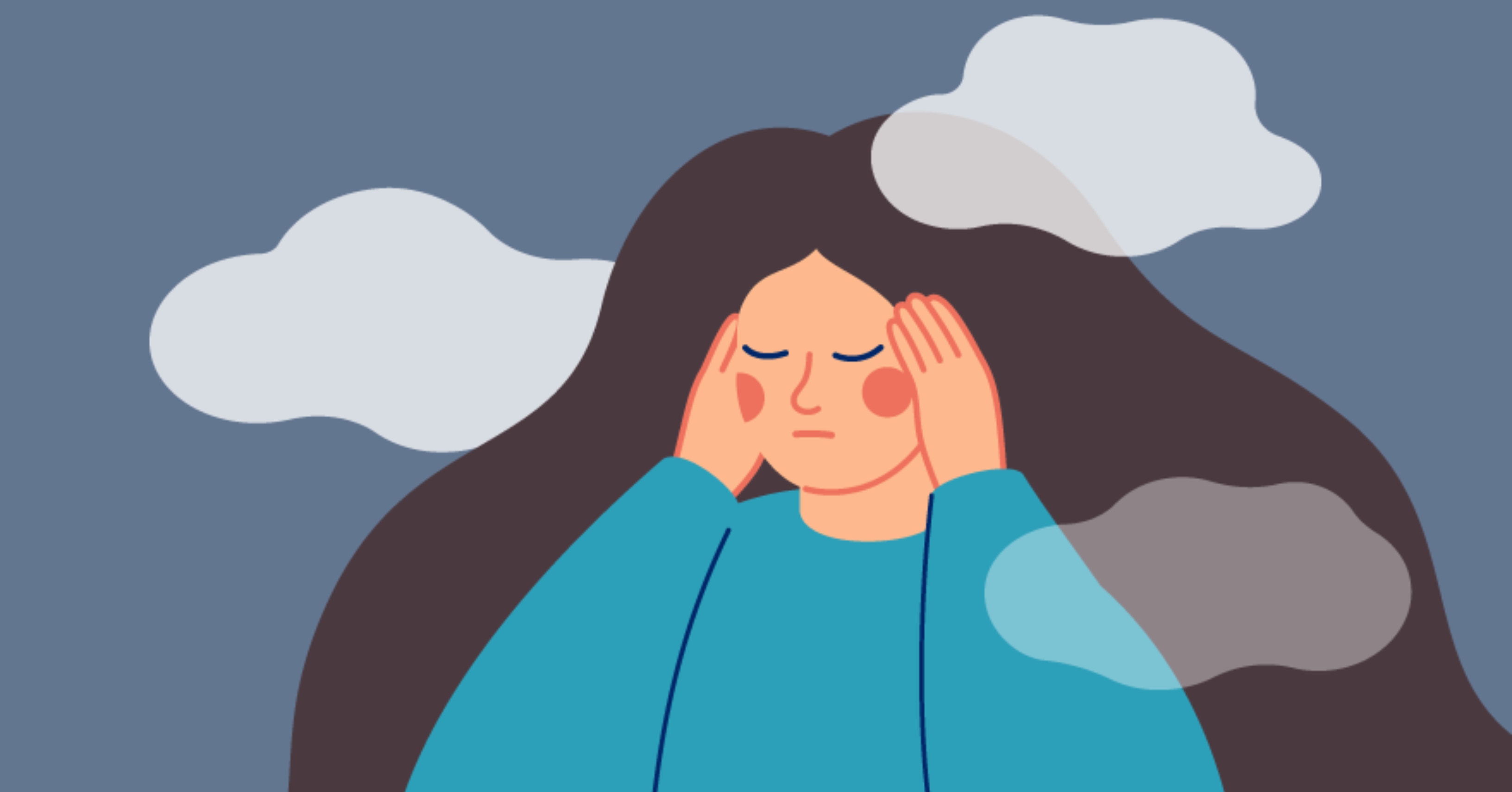
A stressful day at work, a long commute or several nights of poor sleep can all affect how your body responds.
Changes in heart rate and heart rate variability (HRV) can offer insight into these responses.
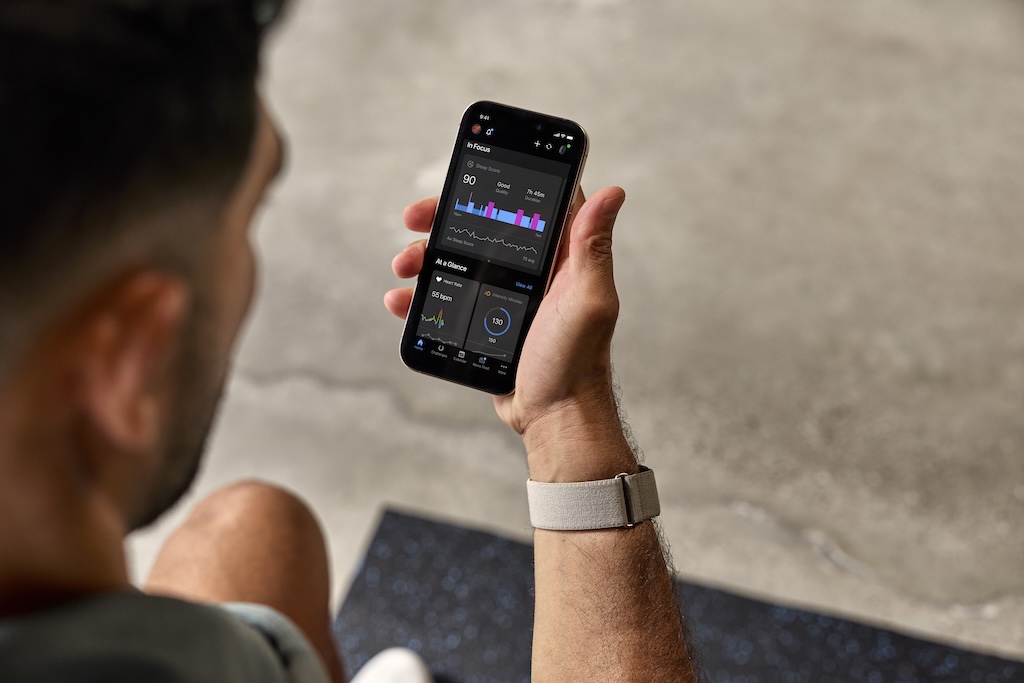
Garmin’s stress tracking uses heart rate and HRV data to estimate physiological stress levels. Rather than focusing on one reading, looking at your patterns over time may help you spot recurring periods of stress.
For example, consistently higher readings during a particularly demanding period at work could be a reminder to look at your workload, rest and recovery.
Garmin devices also offer features such as Breathwork, guided meditation and yoga, while Body Battery combines information including HRV, stress, activity and sleep to provide an indication of your body’s available energy.
One stressful day is one thing. Repeated patterns are worth noticing.
3. Your HRV Is Personal
HRV measures the variation in time between your heartbeats.
Unlike heart rate, there isn’t one “normal” HRV number that applies to everyone. Your baseline can be very different from someone else’s.
Garmin’s HRV Status establishes a personal baseline after approximately three weeks of sleeping with a compatible Garmin smartwatch, allowing users to see whether their readings are within their usual range.
Instead of worrying about one unusually high or low reading, look for changes that continue over several days.
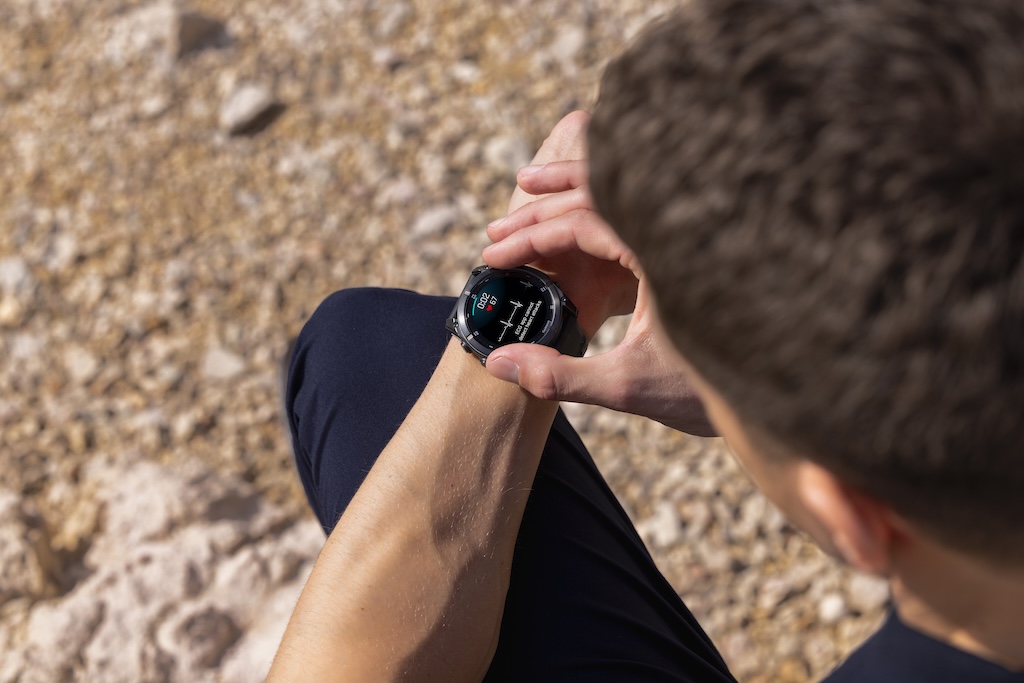
Your HRV can be influenced by things such as sleep, stress, training and illness, so it’s best viewed alongside other aspects of your daily routine.
Research is also continuing to explore the relationship between HRV and cardiovascular health. Harvard Health has reported an association between lower HRV and a higher risk of cardiovascular disease, high blood pressure and heart failure.
However, HRV is not a standalone diagnostic tool.
4. Recovery Matters Too
Being active is important, but so is giving your body enough time to recover.
And getting enough sleep isn’t just about the number of hours. Sleep consistency, sleep stages and interruptions can all affect how rested you feel.
Garmin’s sleep tracking provides insights into sleep duration, sleep stages and other factors linked to overnight recovery.
Garmin research found that users who slept seven or more hours were 50% more likely to reach a Body Battery score of 80 or higher compared with those who slept less.
Still, the number of hours isn’t everything.
If you’re consistently waking up feeling exhausted, it might be time to look at your overall sleep and recovery rather than simply pushing through another workout.
Sometimes, recovery is part of the workout too.
It’s About Knowing Your Own Body
There isn’t one number that can tell you everything about your heart health.
What wearable technology can do is make everyday patterns easier to see from activity and heart rate to stress, HRV, sleep and recovery.
The goal isn’t to obsess over every metric or chase a perfect score. It’s about understanding what’s normal for you, noticing meaningful changes and using those insights alongside healthy habits and professional medical advice.
This World Heart Day, taking care of your heart could start with something simple:
Pay a little more attention to what your body is telling you.
Garmin wearables are not medical devices and the data provided is not intended to diagnose, treat, cure or prevent any disease. For health concerns or before starting a new exercise routine, Garmin recommends consulting your doctor.