“Perhaps They Are Not Meant to Be Here”, When Civets Go Viral and What It Really Says About Our Cities
Scroll through TikTok or Instagram long enough and you’ll probably see one: a civet strolling through a neighbourhood park, darting across a condo car park, or making a surprise cameo at KLCC Park. These encounters have become so common that many Malaysians now treat civets like urban celebrities, which is cute, curious, and oddly entertaining. The views climb, the comments pour in, and the clip moves on.
But behind the viral moments lies a harder question we rarely stop to ask: do civets actually belong in our cities?
Civets Are Not Built for City Life
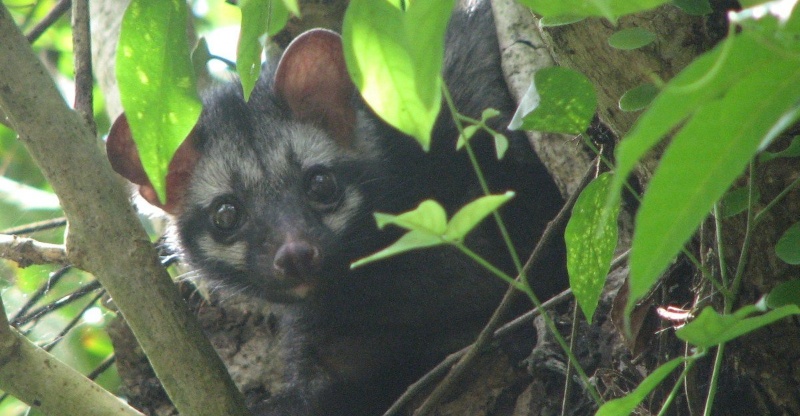
Civets are nocturnal wild mammals evolved for forests, plantations, and rural landscapes, not concrete jungles. In Malaysia, species like the Asian Palm Civet and the Malayan Civet depend on dense vegetation, natural cover, and stable ecosystems to survive.
When civets appear in urban spaces, it’s not a sign of successful adaptation. It’s a warning of shrinking forests, habitat loss, and mounting pressure from human development.
How Urban Growth Pushes Wildlife Closer
As cities expand, roads slice through forests, and housing replaces green spaces. With habitats fragmented, civets have little choice but to move closer to human settlements. Cities also lure them with easy food: fruit trees, unsecured rubbish, and sometimes intentional feeding.
Over time, repeated exposure dulls their natural fear. Encounters become frequent, boundaries blur, and conflict becomes harder to avoid.
Social Media’s Dangerous Illusion
Short-form videos often frame civet encounters as funny or harmless. A civet calmly perched on a balcony or allowing humans to get too close can create a false impression that they’re gentle, manageable, or even suitable as pets.
They are not. Civets are wild animals. Feeding, handling, or keeping them in captivity disrupts their natural behaviour and increases dependence on humans, often permanently.
The Hidden Cost of Civets Captivity
Life in captivity takes a heavy toll. Civets need space to roam, climb, and forage, behaviours impossible to replicate in cages or homes. Improper diets cause health problems; constant human interaction leads to chronic stress. What looks like “tameness” is often fear, exhaustion, or shutdown.
Keeping civets as pets compromises their welfare and ignores their biological needs.
When Wildlife Becomes a Public Risk
The consequences don’t end with animal suffering. Stressed civets can become aggressive when threatened, and close contact raises the risk of disease transmission. When owners realise they can’t cope, some abandon these animals rather than surrendering them to authorities, creating new safety risks and further disrupting local ecosystems.
Why Civets Matter to Nature
Civets play vital ecological roles. They disperse seeds, help control insect populations, and quietly maintain balance in natural environments. Removing them from the wild, or normalising their presence in cities, undermines conservation efforts and fuels illegal wildlife trade.
Let Wildlife Stay Wild
Yes, civets are appearing more often in urban areas, but that doesn’t mean they belong there. Real coexistence doesn’t come from selfies or viral clips. It comes from respect.
Observe wildlife from a distance. Secure your waste. Stop feeding wild animals. Allow civets to remain what they are meant to be: wild.
Because sometimes, the most responsible thing we can do is admit they’re not meant to be here and help them stay where they truly belong.