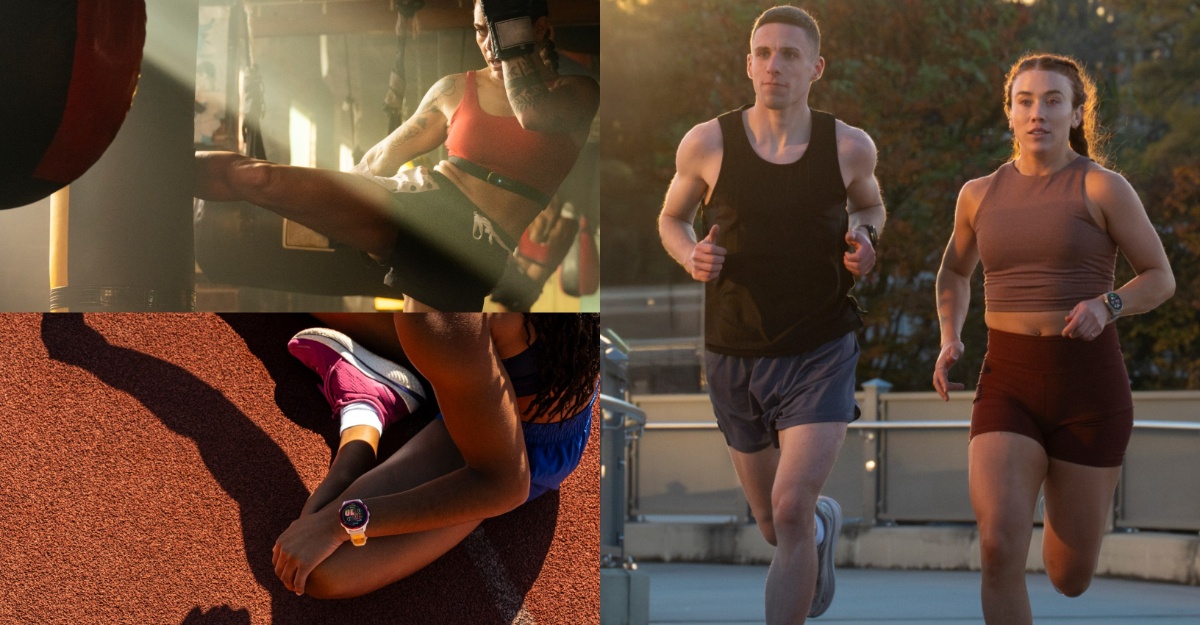
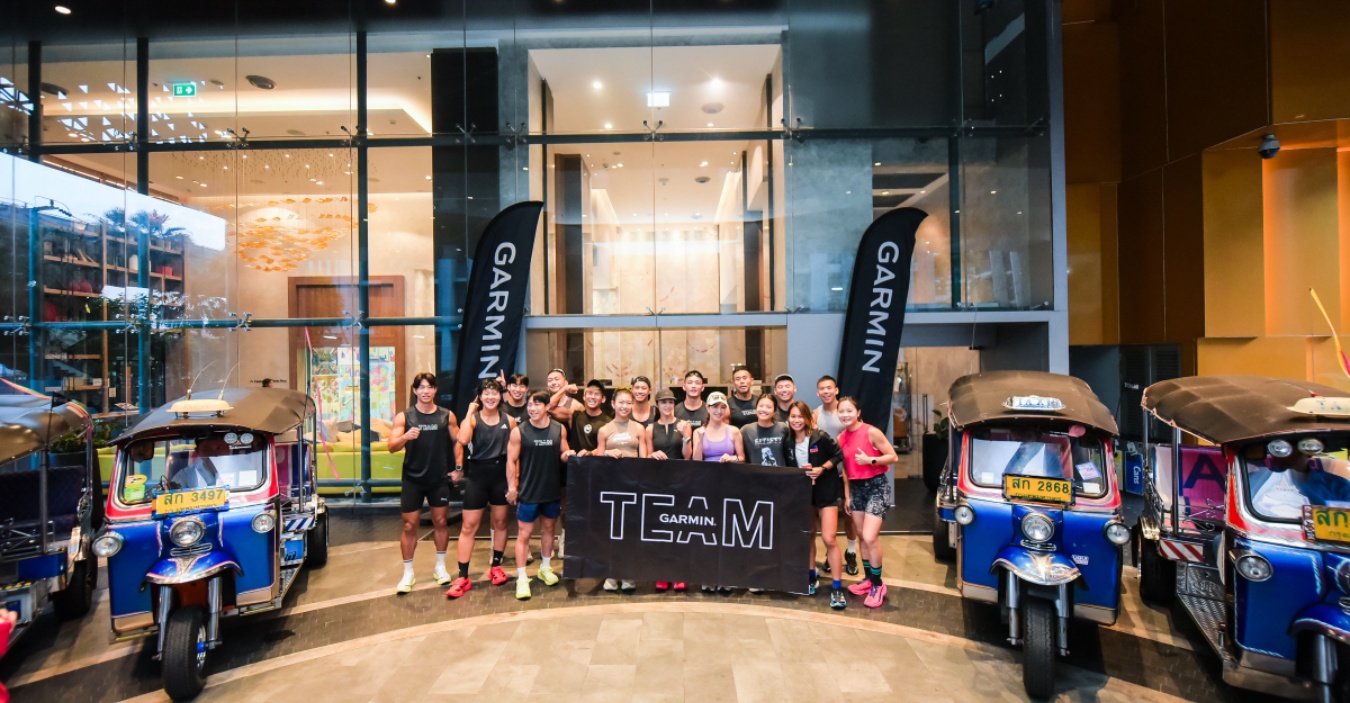
Hybrid training, which combines strength, endurance and functional fitness, is rapidly gaining traction across Asia as more individuals look for well-rounded approaches to performance.
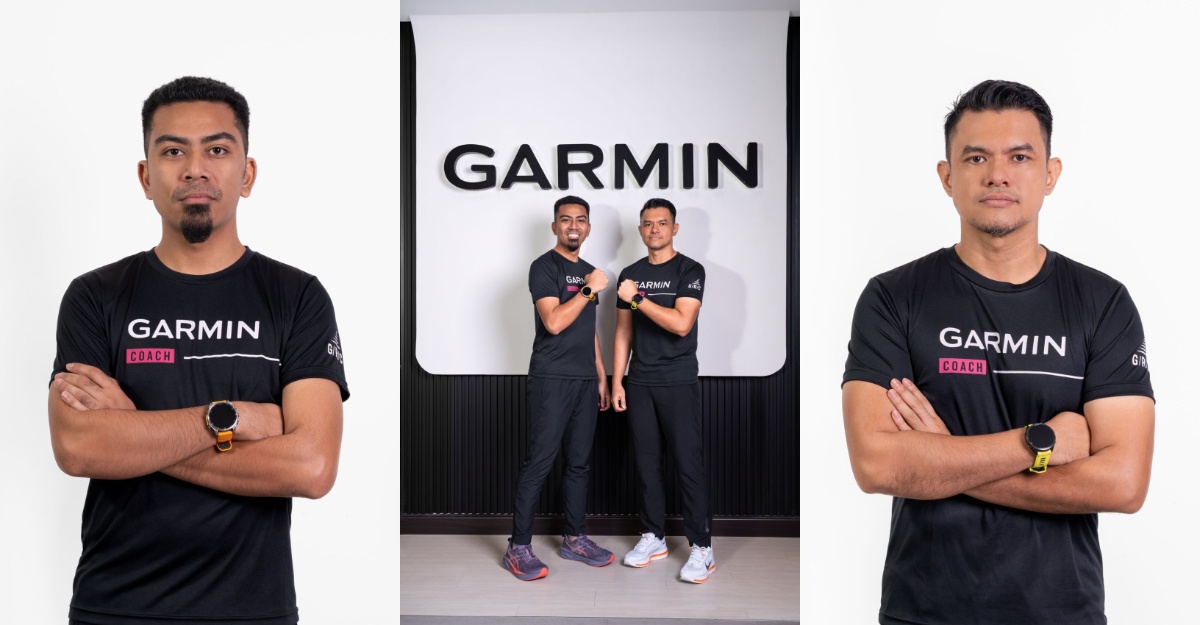
But with its rise comes a wave of misconceptions, from how to balance different training to what “optimal performance” really looks like. Garmin Malaysia brings together hybrid training athletes and founders of Afterburn Training Club, Isabel Fu and Marcus Tan to unpack the realities behind the trend, sharing how they navigate their training with the support of wearable technology.
As athletes who regularly juggle high-intensity strength work with endurance sessions, both Isabel and Marcus emphasise that hybrid training is not about doing more, but doing what works for your body.
By leveraging Garmin’s advanced health and fitness tracking features, including real-time performance metrics, recovery insights and heart rate monitoring, they are able to train with greater awareness and intention.
The Reality of Hybrid Racing and Training
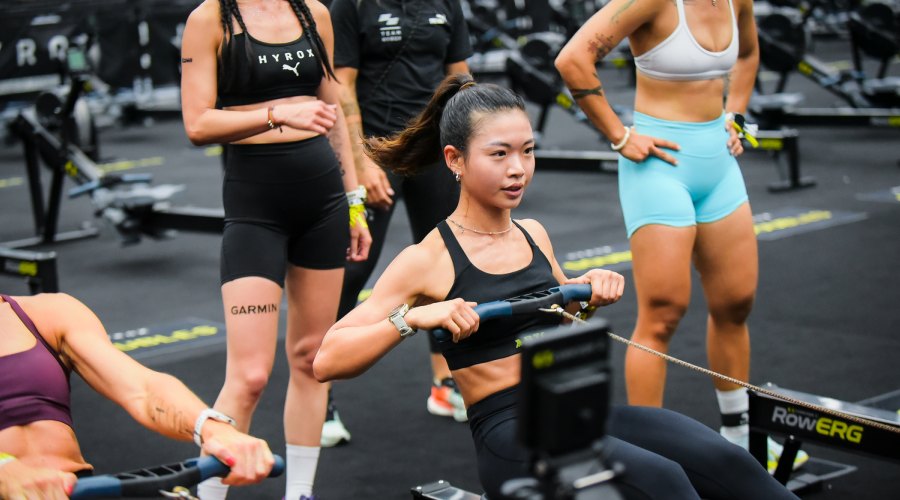 One of the most common misconceptions about hybrid training is that it involves doing multiple forms of training at a maximum, all at once. In reality, Marcus explains that the key lies in managing the balance between competing demands.
“Hybrid training is about managing interference, developing strength and endurance at the same time without letting one compromise the other. Unlike conventional training where you can focus on a single quality, hybrid training requires structure across intensity, volume and recovery, because fatigue carries over,” shared Marcus.
Isabel echoes this, noting that the idea of “doing everything” often leads to burnout rather than progress.
She shares, “Hybrid training means training different modality in a structured way. It’s about balancing between strength, endurance training, and not neglecting recovery. More is not better.”
With social media highlighting these high-intensity sessions, it naturally gives the impression that athletes push their limit at every set. However, both athletes stress that this approach is unsustainable and may lead to burnout or worse physical injury that will set back the training especially for beginners. A big takeaway is their emphasis on the importance of recovery and rest.
“Many beginners train too hard, too often,” Marcus says.
“They go into race-level intensitywithout building the base to support it. That’s where burnout, poor recovery and plateaus happen. Hybrid training rewards patience and consistency more than intensity.”
Although hybrid fitness races seem accessible and many share their experiences of racing without proper training, Marcus highly discourages doing so,
“You can finish, but you won’t perform, and worse still, you increase your risk of injury. It looks accessible, but the accumulated fatigue is real. Without preparation, it becomes survival instead of performance.”
From her experience, Isabel also observes that intensity is often prioritised at the expense of fundamentals.
She advised against the “I have to train every day” mindset. “People tend to neglect strength work, proper technique and even recovery. With the increase in workout intensity, many people, especially women, often don’t fuel their body enough which affects recovery. Some of them don’t take rest days as seriously as they should,” she added.
Learning from Every Race and Every Partner
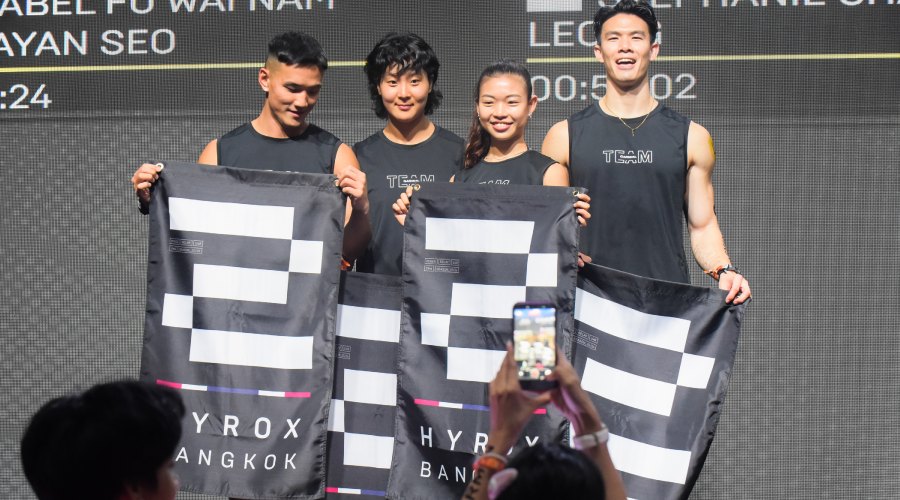
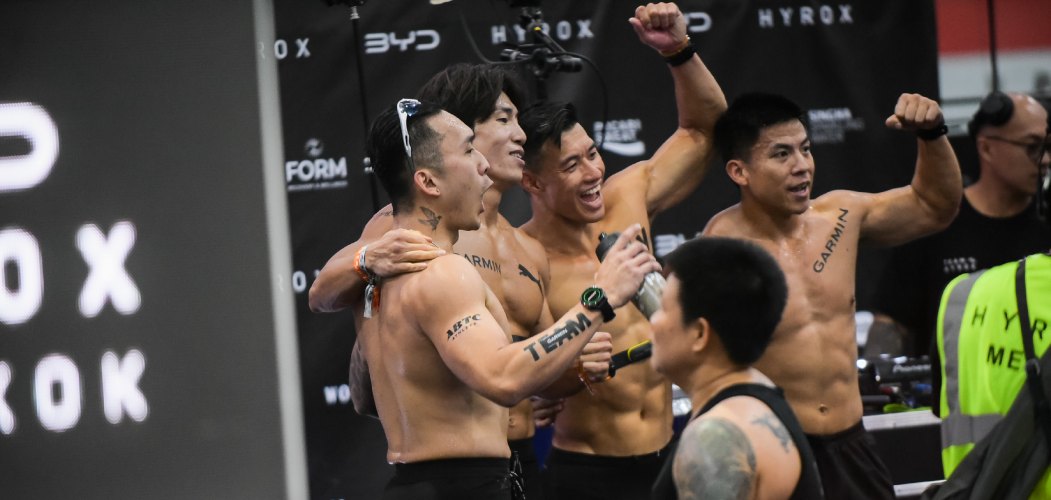
With multiple races under their belt, Marcus and Isabel share the realities and insights competing in Mixed Doubles and Doubles category with local and international partners as part of #TeamGarmin in Bangkok.
As a woman athlete who has raced with male and female counterparts, Isabel shared that racing with a male partner is all about load distribution.
“Honestly, most races I’ve done were on a 50% split which I do not recommend. With a male partner, they should take on more of the heavier load stations while the female partner maintains consistency and pacing”.
With a female partner, it is more about equal distribution and synchronisation, “I train more on communication, transitions, and sustaining similar output across all stations for female double pro.” Isabel highlighted that it is all about flexibility in the partnership and communication, “It’s about race day adaptations, stepping in when your partner needs a break and communication is always the key.”
For Marcus, partnering with #TeamGarmin athletes around the region gave him insights at how the pros race — with efficiency and discipline.
“At that level, it’s not about doing more, it’s about doing exactly what’s needed, at the right intensity. There’s a lot of control in how they train, especially in managing effort and recovery. Most people lose performance not becausethey’re not fit enough, but because they mismanage effort.” He highlights that pace matters more than speed, suggesting others to not neglect recovery and build a good aerobic base.
Using Data To Train Smarter
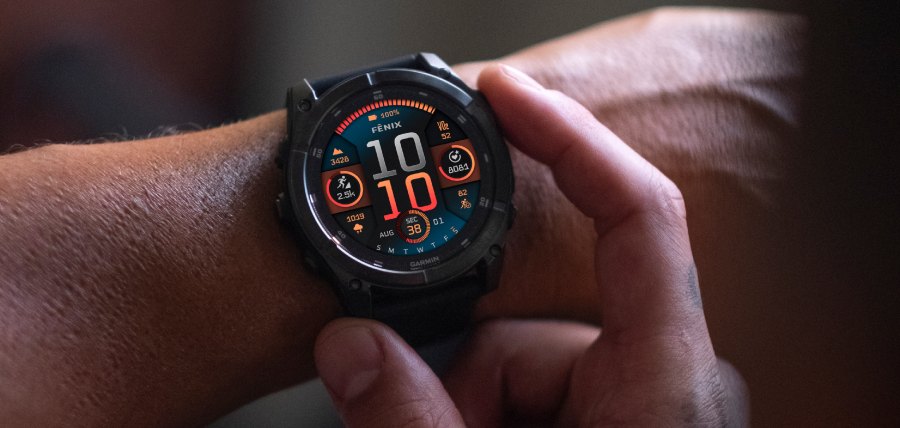
Beyond training structure, both Marcus and Isabel highlight the growing role of data in helping athletes make more informed decisions especially as they coach others. Rather than relying solely on how they feel, they use Garmin metrics to provide objective insights into their performance and recovery.
For Marcus, key indicators such as heart rate zones, recovery levels and resting heart rate trends guide not only his own training, but also the programmes he designs for his athletes.
“There have been phases where training volume was high and I felt fine, but the data showed suppressed recovery and elevated resting heart rate. Pulling back for a few days allowed recovery to catch up, and performance improved after. Without that data, I would have kept pushing and likely burned out.”
Similarly, Isabel relies on metrics such as heart rate variability (HRV) to better understand how her body is responding to training.
“There was a point where my recovery scores were consistently low even though I felt okay. That made me realise I was accumulating fatigue without recognising it. Adjusting my training intensity based on the data helped me perform better and it shifted my mindset from training harder to training smarter.”
As a female athlete, Isabel brings a different dimension to this conversation, highlighting how factors such as energy levels, recovery and hormonal changes can directly impact performance.
“It’s about awareness, not restriction,” she shares.
“Some months I’m able to train more, other times I prioritise rest. The key is listening to your body and not overexerting, especially when your body is already under stress,” urging female athletes to listen to their body’s needs.
When Marcus and Isabel competed in the Bangkok leg with #TeamGarmin athletes, they shared that it was a meaningful experience, though separated by backgrounds, they were all connected through the same ecosystem.
He shared, ”What stood out was how everyone used data differently, but with the same goal, to optimise performance. It reinforces how powerful having the right tools and community can be.”
Isabel shared, “Being a part of #TeamGarmin creates a sense of connection beyond just competition. Everyone brings different strengths to the table, supporting each other’s races and exchanging experience as an athlete or fitness coach.”
Shaping the Future of Hybrid Training
As hybrid training continues to grow in Malaysia and across Southeast Asia, both Marcus and Isabel believe the space will gradually evolve beyond hype into a more structured and informed discipline.
“Right now, a lot of it is trend-driven,” Marcus notes.
“But over time, there will be a stronger focus on coaching quality, programming and data-driven training.” Isabel shared the same sentiments, “Moving forward, I see Malaysia building a stronger presence in the hybrid training scene, with more structured training, better education, and a bigger community that continues to support each other’s growth.”
As founders of a HYROX affiliate centre, they shared that it is not necessary to join such a gym but it provides a stronger community and structure training that you can’t get elsewhere.
“You can train on your own with a solid plan, but being part of a community gives you structure, accountability, and energy that’s hard to replicate alone. Especially for hybrid races, where pacing, transitions, and race simulation matter, training with others pushes you in a different way,” shared Isabel.
Marcus adds that, “In a normal gym, you can get fit, but you’re not necessarily preparing for the demands of hybrid competition.”
With the support of wearable technology like Garmin, athletes are increasingly equipped with the tools to better understand their bodies, make informed adjustments and train with greater precision.
Personally for Marcus and Isabel, they are users of the fēnix 8 and HRM600 to best record the key metrics to improve their performance.
For athletes combining running with functional fitness, Garmin’s Hybrid Training setup offers a smarter way to track every part of the workout. Users can create a dedicated Hybrid Training workout in Garmin Connect and send it directly to their compatible Garmin watch, allowing separate tracking for each running and functional fitness segment.
The setup also enables the transitions feature, which records time spent moving between workout stages for a more complete performance overview. Completed workouts can then be shared with friends using Garmin Share. For a step-by-step walkthrough on how to create and use Hybrid Training mode, watch this tutorial here on www.youtube.com/@GarminMY.
Ultimately, the shift in hybrid training is not just about doing more but about training smarter, with a focus on balance, sustainability and long-term performance. If you are looking for a hybrid-training partner, check out Garmin’s range of wearables that can support your next race at garmin.com.my.