It usually starts small.
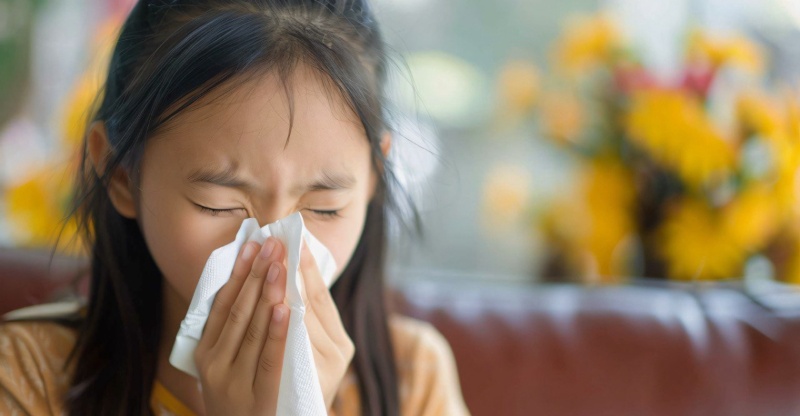
A cough after school. A rash you notice during bath time. A fever that creeps up just as you’re packing lunch for tomorrow.
By the next morning, your child is home instead of in class, and you’re cancelling meetings, wiping noses, and wondering the same thing parents everywhere ask:
“Why is my child always sick?”
In Malaysia, children’s illnesses such as hand, foot, and mouth disease (HFMD), influenza, measles, and stomach flu spread rapidly. All it takes is one crowded classroom, one birthday party, one shared toy. The result? Disrupted routines, missed school days, and exhausted parents juggling worry with work.
But here’s the truth many parents need to hear.
Getting Sick Is Part of Growing Up
Dr Ch’ng Tong Wei, Consultant Paediatrician and Paediatric Infectious Disease Specialist at Sunway Medical Centre, Sunway City, hears this concern almost daily. And her answer is reassuring.
Young children: especially those entering preschool — can fall sick eight to twelve times a year and still be completely normal.
“Their immune system is like a blank sheet of paper,” Dr Ch’ng explains.
“Each infection helps the body learn and produce antibodies. Over time, immunity strengthens.”
That’s why older children and adults don’t fall ill as often. Their immune systems have already done years of training.
The Usual Suspects in Malaysia
Malaysia’s tropical climate creates the perfect environment for certain infections to thrive. Among the most common:
- Influenza A & B, especially during year-end holidays and school reopenings
- RSV and adenovirus, which often cause lingering coughs and colds
- HFMD, easily spread in childcare centres
- Gastroenteritis, bringing vomiting and diarrhea
- Dengue, a year-round mosquito-borne threat
- Chickenpox and measles, particularly when vaccination rates dip
With so many overlapping symptoms such as fever, cough, fatigue — it’s no wonder parents struggle to tell what’s serious and what’s not.
Mild Bug or Red Flag?
Most childhood infections are mild and self-limiting.
“If a fever lasts less than three days, the child remains active, and they can still eat and drink, even with less appetite, it’s usually a mild infection,” says Dr Ch’ng.
But some signs should never be brushed aside.
Seek medical attention if your child has:
- A fever lasting more than three days
- Difficulty breathing
- Unusual drowsiness or lethargy
- Persistent vomiting or diarrhea
- A rash that spreads rapidly
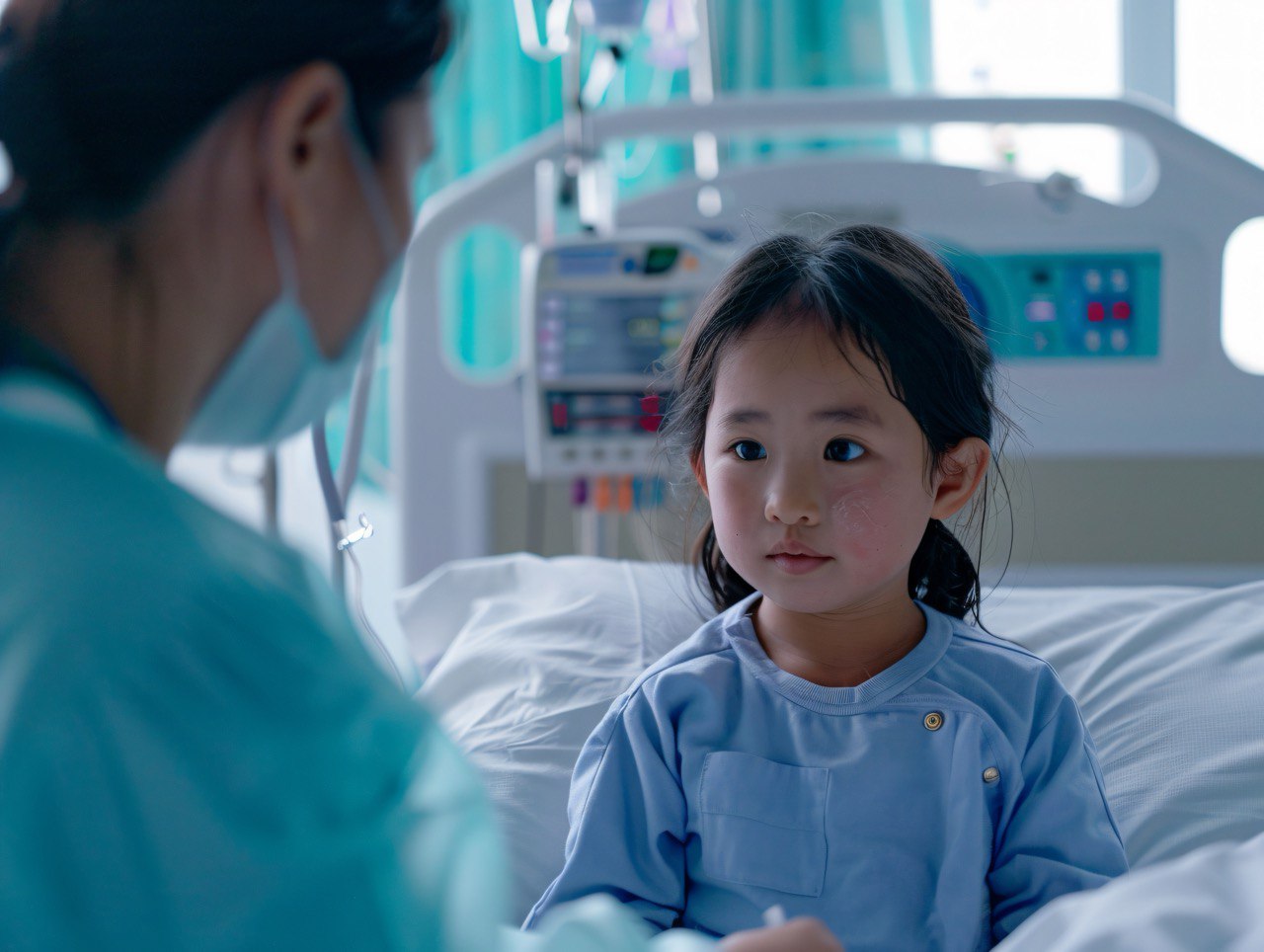
“If your child seems increasingly unwell, don’t wait,” Dr Ch’ng stresses.
“Early action can make all the difference.”
When It’s More Than Just ‘Frequent Sick Days’
True immune disorders are rare, but they do exist.
A child with immunodeficiency doesn’t just fall sick often. They fall sick severely. They may need frequent hospitalisation, develop recurring viral or fungal infections, or struggle with weight gain and growth.
When doctors suspect an underlying issue, they may order targeted blood tests or refer the child to an immunologist. These tests aren’t routine; they’re only done when clear warning signs appear.
What Actually Shapes a Child’s Immunity
Immunity isn’t built on supplements alone. It’s shaped by a mix of factors:
- Genetics
- Environment
- Lifestyle habits
- Preventive care
Children with asthma, eczema or allergies may fall sick more often because their immune systems are more reactive. Exposure to second-hand smoke, pollution and crowded spaces also raises infection risk.
While genetics can’t be changed, daily habits matter.
Adequate sleep. Outdoor play. Regular exercise. A balanced, low-sugar diet rich in fruits and vegetables. Proper hand hygiene. Vitamin D when needed.
“Expensive supplements are not necessary,” Dr Ch’ng emphasises.
“Most children get what they need from good food, good sleep and healthy routines.”
Prevention Still Works
The pandemic proved something important: simple measures make a real difference.
- Handwashing
- Avoiding crowds when sick
- Wearing masks when necessary
And then there’s vaccination; still one of the most powerful tools parents have.
Routine vaccines have drastically reduced diseases like measles and pertussis. Optional vaccines, such as rotavirus, hepatitis A and chickenpox, add extra layers of protection.
“When vaccination coverage drops, outbreaks return,” Dr Ch’ng warns.
“Keeping your child fully vaccinated is essential for long-term health.”
Preventive care also means regular check-ups; not just visits when a child is already ill. Growth monitoring, developmental screening and scheduled vaccinations help ensure children stay on track.
A Final Word for Parents
“Don’t feel guilty when your child falls sick,” Dr Ch’ng says.
“It’s part of growing up.”

Watch for warning signs. Build healthy routines. Trust your instincts.
Parents know their children best. And when something doesn’t feel right, seeking help early isn’t panic, it’s care.
With the right knowledge, reassurance and support, navigating these early sick days becomes a little less frightening and a lot more manageable.
Source: Medical Sunway Centre