
Did you know Malaysia’s rainforests are older than the Amazon — surviving ice ages, continental shifts, and mass extinctions for more than 130 million years?
These ancient ecosystems are one of Malaysia’s greatest natural treasures and a key focus of Visit Malaysia Year 2026’s push for high-value ecotourism. From towering dipterocarp trees that rise more than 80 metres above the canopy to the rich biodiversity below, Malaysia’s rainforests are home to over 15,000 species of flowering plants and countless wildlife species.
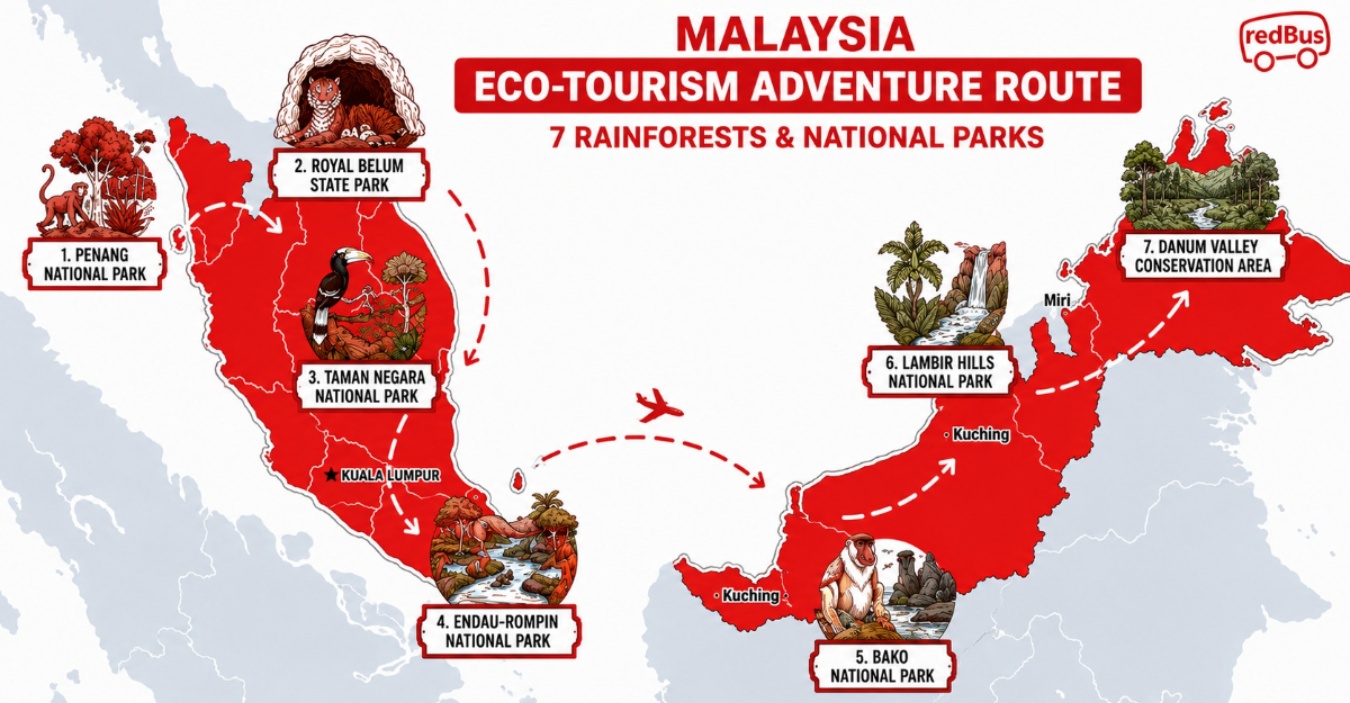
To mark World Rainforest Day, redBus highlights an eco-tourism journey across Malaysia featuring seven rainforest and national park destinations accessible by bus, offering a seamless blend of adventure and sustainable travel. Whether for a weekend escape, a longer holiday, or a two-week expedition, these destinations can be explored individually or combined into a personalised eco- tourism adventure route.
1.Penang National Park, Pulau Pinang
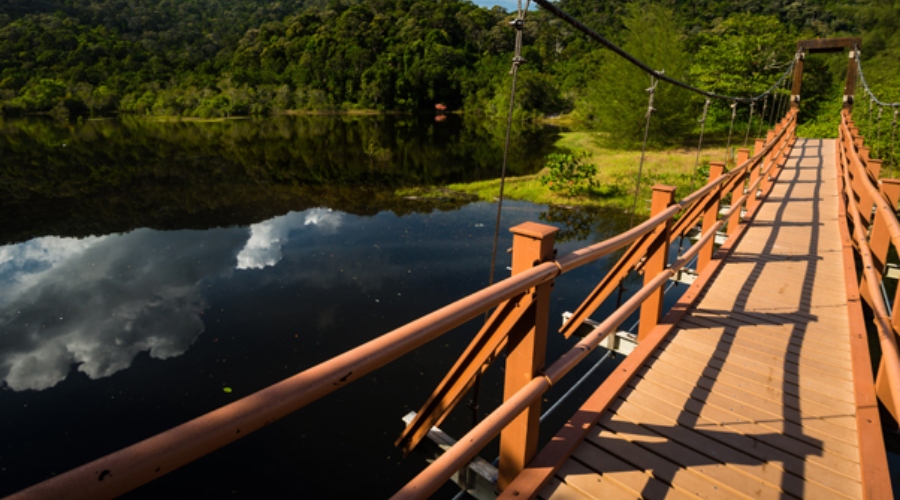
Start your rainforest adventure by proving that great things come in small packages, this is the world’s smallest national park but features a unique mix of ecosystems. It is home to a rare meromictic lake, one of only a few in Asia, where layers of salt and fresh water do not mix. Nature lovers can trek the Monkey Beach (Teluk Duyung) trail to see playful macaques or head to Kerachut Beach (Turtle Beach) to visit the turtle hatchery.
The park’s coastal trails offer a stunning transition from dense dipterocarp forest to pristine white-sand beaches framed by the Andaman Sea. The mix of mangroves and dryland forest makes it a unique spot for spotting white-bellied sea eagles.
Travel Tip: While July to September is excellent for coastal hiking, the inter-monsoon period in October and November often brings refreshing evening showers. Start your hikes early to beat the heat and carry plenty of hydration (at least 2.5 litres of water). For transport, take a bus to Penang Bus Terminal and hop on Rapid Penang Bus 101 or 102 directly to the park entrance at Teluk Bahang.
2.Royal Belum State Park, Perak
Part of the 300,000-hectare Belum-Temengor forest complex, Royal Belum State park is a true “lost world” that is even older than the Amazon. It is a vital corridor for large mammals, including the Malayan Tiger and Asian Elephant. This vast wilderness is a sanctuary for all 10 species of Malaysian hornbills and the magnificent Rafflesia — the world’s largest flower.
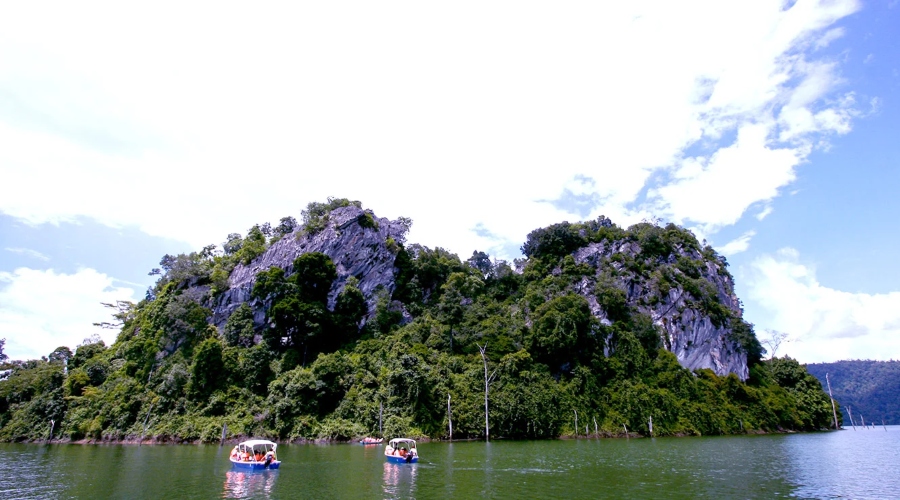
Take a cruise across the massive Temenggor Lake, visit the Orang Asli (Jahai) villages to learn about indigenous forest culture, or trek to the Sungai Kooi waterfall, which drops 50 metres down a mossy cliff, and visiting salt licks where wildlife gathers for essential minerals.
Travel Tip: August and September are fantastic for hornbill sightings as they congregate during the fruiting season. Pack a lightweight poncho for sudden tropical downpours and non-slip sandals for boat excursions. Wear leech socks as leeches are common near waterfalls. You can hop on a bus from Kuala Lumpur to Gerik, then a short taxi to Pulau Banding, the main departure point for boat tours.
3.Taman Negara National Park, Pahang
As one of the world’s oldest deciduous rainforests, Taman Negara National Park, often called as the “Green Heart of Malaysia”, is a vast, ancient wilderness where the sheer scale of the trees makes you feel delightfully small, spanning 4,343 square kilometres across three states.
Walk amongst the clouds on the world’s longest Canopy Walkway, a 530-metre long suspension bridge that offers a bird’s-eye view of the forest layers, or take a Night Jungle Walk to spot nocturnal creatures such as mouse deer and tapirs near the observation hides.
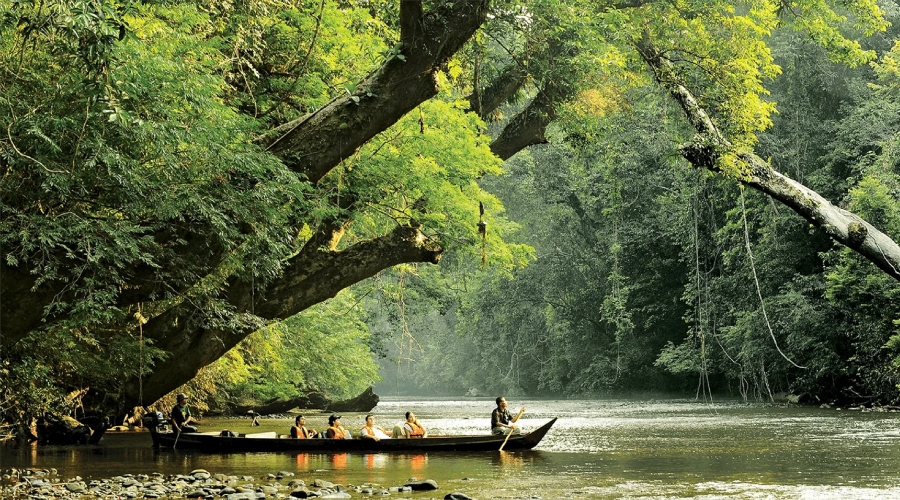
Beyond the heights, you can explore the Gua Telinga cave system or take a traditional wooden boat to the Lata Berkoh rapids for a refreshing swim in tea-coloured jungle water. For the more adventurous, a boat trip to Lata Berkoh offers emerald swimming holes and serene river landscapes. While for a cultural experience, visit the Orang Asli settlements to learn traditional hunting and fire- making skills. Join a one-day tour if you still can’t decide which activities you should take.
Travel Tip: With stable trekking conditions, Taman Negara National Park brings a lush, misty atmosphere, especially in year-end months. Pack moisture-wicking clothing, high-quality leech socks, and a reliable waterproof bag for river crossings. To reach this ancient wilderness, catch a bus to Kuala Tahan.
4.Endau-Rompin National Park, Johor
Staddling the border of Johor and Pahang, Endau-Rompin National Park is home to some of the oldest rock formations in the world, dating back 250 million years. It is a rugged destination perfect for deep-woods exploration. The Selai entrance offers a more accessible route for those looking to experience the rainforest without a heavy expedition.
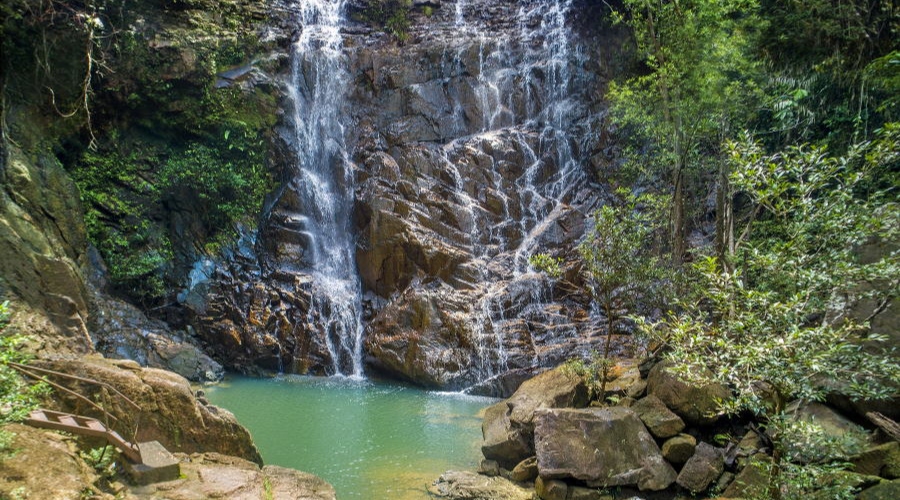
Trek to the spectacular waterfalls, including Mahkota waterfall and Buaya Sangkut waterfall, where ancient rock pools have been carved into the riverbed. Adventure seekers can also participate in night safaris to spot rare frogs and insects. For some cultural experience, visit the Kampung Peta indigenous village to learn about the Jakun people’s forest lore.
Travel Tip: Note that parts of the park may close during the peak monsoon (November–December), so plan your visit in July to September for the best experience. Bring plenty of insect repellent and cash as there are no ATMs inside, and don’t forget a power bank too! Take a KKKL bus to Kluang or Segamat, where you can arrange a local transfer or taxi to the Bekok gateway.
5.Bako National Park, Sarawak
Bako National Park is a masterclass in varied ecosystems, offering a condensed version of Sarawak’s diverse flora — virtually every type of vegetation found in Borneo is represented here. The park is most famous for its Proboscis monkeys, identifiable by their large noses and pot bellies, often found near the park headquarters at dawn or dusk. For better chances of seeing nocturnal wildlife such as tarsiers or slow lorises, consider staying in the park’s basic chalets or camping.
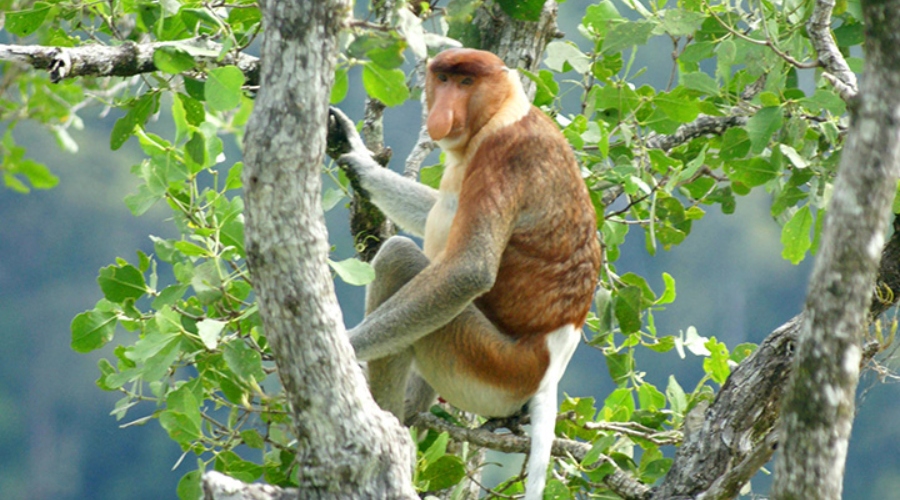
Known for its immense biodiversity, the park offers hiking through diverse rainforest habitats, scenic, rocky coastlines with unique sea stacks. Choose to hike one of the 16 colour-coded trails. The easy Telok Paku trail provides a high chance of wildlife sightings, including bearded pigs and silvered langurs.
For a more challenging adventure, Lintang Loop showcases the park’s dramatic sandstone cliffs, sea stacks, and carnivorous pitcher plants.
Travel Tip: July and August are the driest months in Sarawak, ideal for spotting wildlife. However, at year-end, the Northeast Monsoon approaches and the sea conditions can get choppy, so plan boat transfers for the morning. Take the Rapid Kuching Bus from Kuching’s Open Air Market to Bako Village, followed by a 30-min scenic boat ride to the park headquarters.
6.Lambir Hills National Park, Sarawak
Recognised by scientists as one of the most tree-diverse forests in the world, Lambir Hills National Park is a dream for botany enthusiasts. Despite its modest size, it contains over 1,000 species of trees. The park is best known for its series of beautiful waterfalls, including the easily accessible Latak Waterfall with its large natural swimming pool.
As Lambir Hills has one of the highest levels of tree biodiversity in the world, it is a magnet for birdlife. If you have a pair of binoculars, get it ready for the Bornean Bristlehead, various species of Hornbills, and the vibrant Kingfisher. Look out for the massive Dipterocarp trees and the intricate pitcher plants (Nepenthes) that grow along the higher, sandier ridges too.
For those seeking a challenge, the trek to the Bukit Lambir summit offers breathtaking views across the rolling green canopy toward the South China Sea.
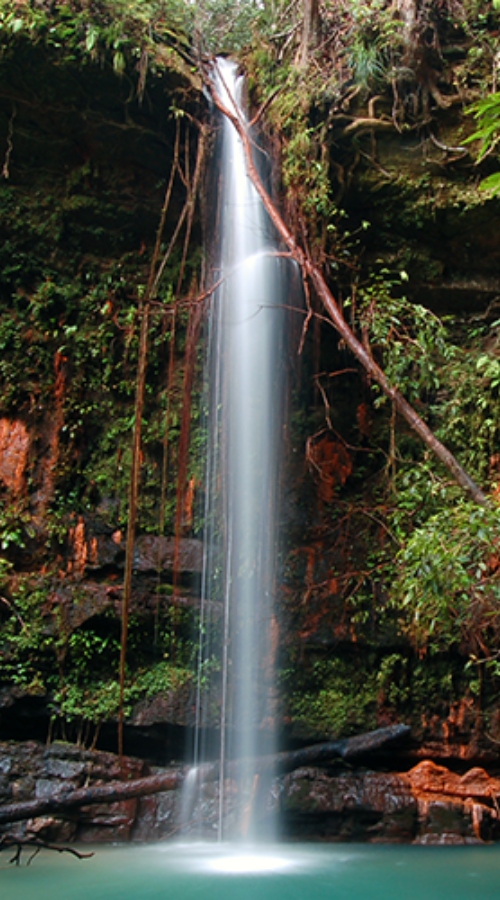
Travel Tip: The second half of the year offers cooler trekking temperatures, but trails can be slippery after rain. It is highly recommended to wear non-slip hiking shoes with deep lugs. Since June and July are still warm, the waterfalls are incredibly refreshing, don’t forget to bring your swimwear to the falls! Board a Biaramas Express bus from Miri and ask the driver to drop you at the park entrance along the highway.
7.Danum Valley Conservation Area, Sabah
For a truly world-class eco-tourism experience, Danum Valley Conservation Area is unparalleled. Danum Valley is perhaps the most pristine ecosystem in Borneo, having never been logged. It is a world-class destination for seeing the Bornean Orangutan in its natural habitat, one of the few places left where the orangutans roam truly wild.
Participate in a four-wheel drive Night Safari, which you may have a high chance of seeing flying squirrels gliding between trees, sambar deer, civets, and the rare Western tarsier with its massive reflective eyes. On extremely lucky nights, this is the best way to spot the elusive Bornean Clouded Leopard.
If you are a photography lover, wake up at 4:30 AM and take a four-wheel drive to the Bukit Atur lookout point. You will watch the sun rise over a literal sea of mist that blankets the valley, with only the tallest emergent trees poking through like islands. It is one of the most photographed scenes in all of Borneo.
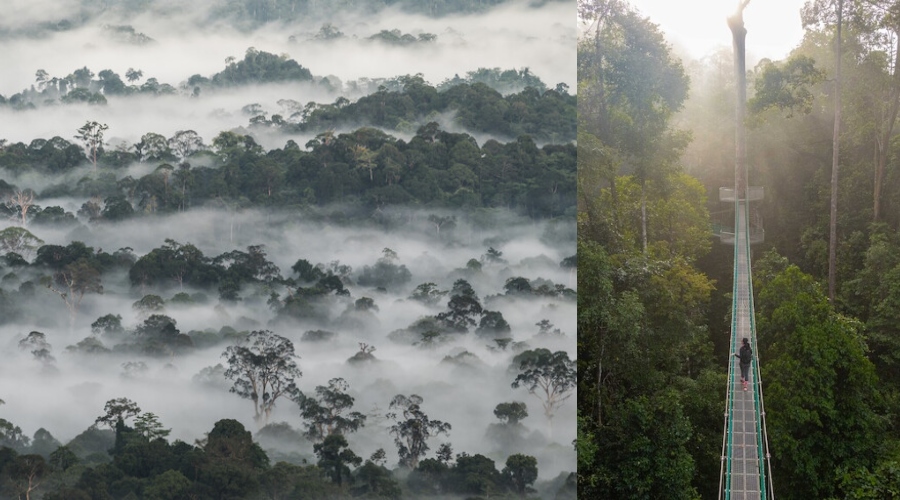
Travel Tip: This is a high-protection area, so all visitors must have a guide and permits arranged in advance. Pack earthy-coloured, quick-dry clothing and high-quality leech socks. To get there, take an express coach from Kota Kinabalu or Sandakan to Lahad Datu, then board a pre-arranged 4WD shuttle for the final 2nd-hour journey into the conservation area.
From Peninsular Malaysia to the depths of Borneo, every rainforest journey tells a different story of discovery, conservation, and connection. This World Rainforest Day, and in celebration of Visit Malaysia Year 2026, redBus invites you to chart your own rainforest route, one journey, seven ancient worlds, endless discoveries.
Choosing to travel by bus is not only convenient but also a more sustainable way to explore Malaysia’s natural wonders, offering a lower-impact alternative that produces up to six times lower carbon emissions per passenger kilometre than travelling by car.