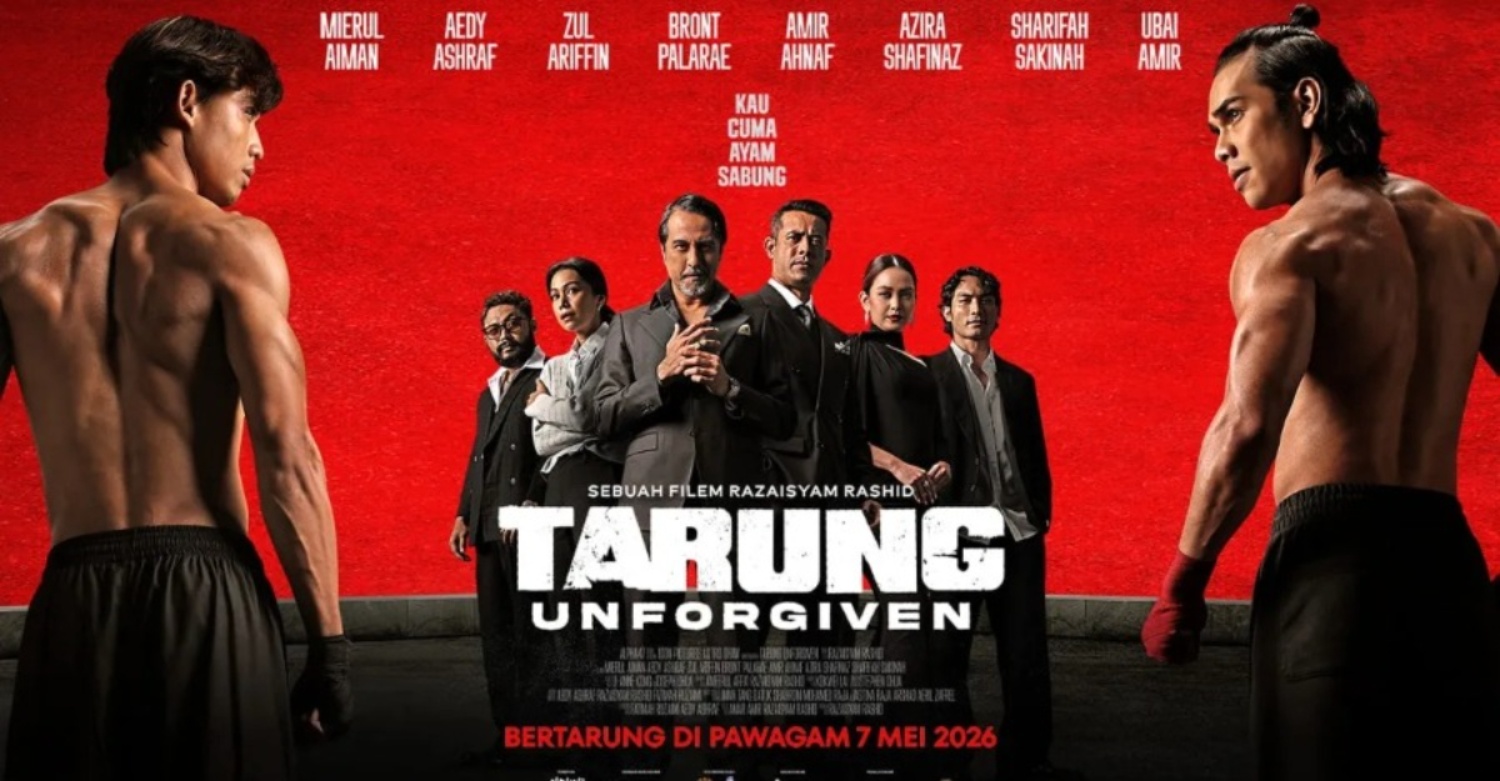
There is something strangely sincere about Tarung: Unforgiven. At first glance, it looks exactly like the kind of movie people would casually label as “just another violent fighting film.” Underground tournaments. Silat battles. Angry men staring at each other while carrying years of unresolved trauma.
But somewhere between the bruises, broken noses, and brutal fight sequences, the movie quietly becomes far more emotional than expected.
The story follows Hatta, a former silat champion haunted by a tragic accident after killing someone during a match. The guilt follows him everywhere like an invisible second character. Things only spiral further when his sister suddenly requires expensive medical treatment, forcing him back into the dangerous underground fighting world he desperately tried to leave behind.
To be fair, the setup itself is not entirely original. Troubled protagonist. Sick family member. Underground fighting ring. Redemption storyline. It is a formula audiences have seen many times before. But what makes Tarung: Unforgiven work is how fully committed it is to its own emotional weight. The film never tries to be ironic or overly stylish for the sake of it. Instead, it embraces its drama wholeheartedly.
One of the movie’s biggest strengths is undoubtedly its cast lineup. Seeing actors like Mierul Aiman, Aedy Ashraf, Amir Ahnaf, Zul Ariffin, and Bront Palarae all together almost feels unreal, like someone decided to assemble an all-star Malaysian action drama cast in one film. Thankfully, the performances actually live up to the hype.
Mierul Aiman carries Hatta with a believable sense of emotional exhaustion, making the character feel grounded even during the movie’s more predictable moments. Aedy Ashraf brings enough bitterness and vulnerability to Isa that the character feels tragic rather than simply aggressive. Meanwhile, the presence of veterans like Bront Palarae and Zul Ariffin immediately elevates the scale of the movie the moment they appear on screen.
Still, the real standout here is the action itself.
The fight scenes feel heavy, painful, and surprisingly clean visually. The camera does not constantly shake around during combat, which already places it above many modern action films. Every punch looks like it genuinely hurts, while the silat choreography feels sharp and controlled. Some sequences even carry that sleek Korean-style action energy audiences online keep comparing it to.
The underground fight arena especially gives the film a gritty neon-soaked atmosphere that somehow makes everything feel cooler and sadder at the same time.
Beneath The Violence, Tarung: Unforgiven Finds Its Emotional Core
That said, the movie is not flawless. Certain plot developments become predictable very early on. Some betrayals and deaths can almost be guessed within the first act itself. The dialogue occasionally sounds overly dramatic, almost as if it was written specifically for trailer moments.
Ironically, though, that emotional intensity is also exactly why the movie works.
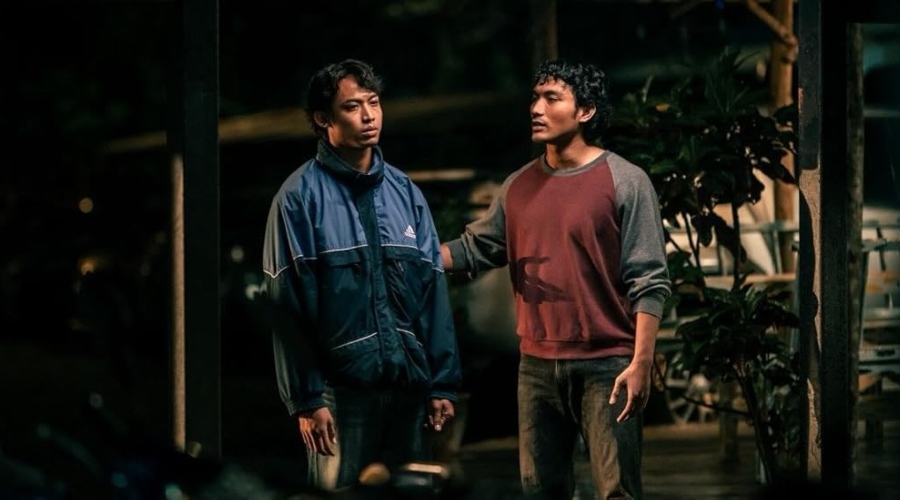
Because beneath all the violence, Tarung: Unforgiven is really a story about guilt, broken friendships, and men who never learned how to process grief except through violence. In many ways, the emotional confrontations end up hitting harder than the physical fights themselves.
By the end, the film feels less like a story about winning battles and more like a story about people struggling to forgive themselves.
What makes things even more interesting is that Tarung: Rise of Marga is already being teased as the next chapter in a larger universe. If Tarung: Unforgiven proves anything, it is that local action cinema is finally starting to feel bigger, bolder, and far more cinematic than many audiences expect.