
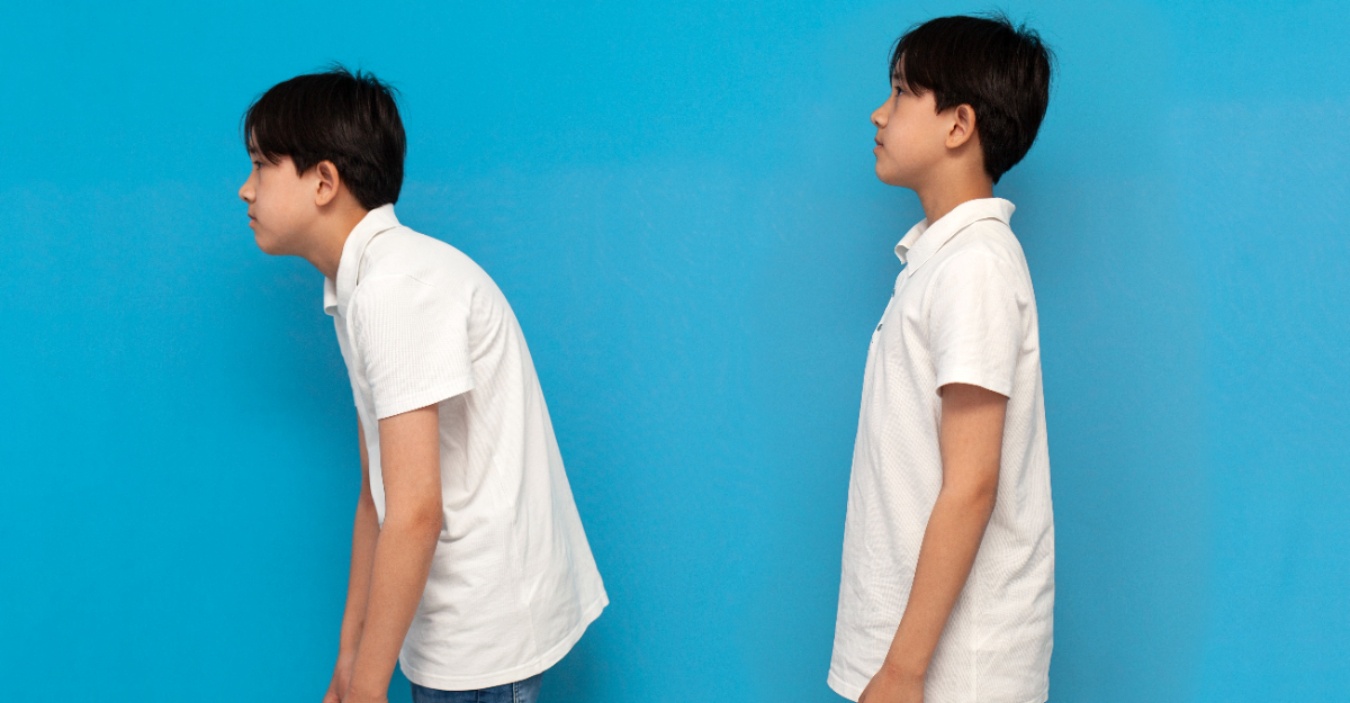
At first, it may look like a harmless habit, a child slouching at the dining table or leaning slightly to one side. But for some parents, that small detail turns into a lingering worry, “Why does my child’s back look uneven?”
In many Malaysian households, the immediate assumption is poor posture or a heavy school bag. But according to Dr Saw Lim Beng, Consultant Robotic and Spine Surgeon, Sunway Medical Centre, Sunway City (SMC), that may not be the real cause.
“Scoliosis is not just about posture. It is a three-dimensional deformity condition where the spine bends and rotates, affecting the body’s overall balance,” he explains.
Most cases develop silently during childhood and adolescence, often without pain or obvious symptoms in the early stages.
The Critical Window Parents Often Miss
One of the most important and often overlooked factors of scoliosis in children is timing. Dr Saw explains that a child with scoliosis appeared mild and progresses very gradually during the early stages. But everything can change during the growth spurt phase between the ages of 10 and 15 .
“During this period, the spine can grow very quickly. A mild curve may sometimes progress during this period of rapid growth,” says Dr Saw.
This rapid progression often catches families off guard. A curve that once required simple monitoring can quickly become severe sometimes within months. This is why children diagnosed with scoliosis must be closely monitored during these critical growth years.
“Regular follow-up is very important. It allows for early medical intervention if the curve starts to progress especially in growing children,” he adds.
Beyond the Curve: Physical and Emotional Impact

In early stages, scoliosis may not cause pain. But as it progresses, the effects become more noticeable. Children may develop warning signs such as muscle aches from imbalance, uneven shoulders or hips, and visible body asymmetry. But the deeper impact is often emotional.
“Some children become very self-conscious. They try to hide their back with their hair or loose clothing, avoid social situations, or feel different from others. This really affects their self-esteem,” Dr Saw shares.
For teenagers, especially girls, body image concerns can affect confidence, participation in activities, and overall well-being.
Debunking the Myth
Dr Saw explains that 80-90% of scoliosis cases are idiopathic, meaning the exact cause is unknown . While posture and heavy loads can contribute to back discomfort, they do not cause spinal curvature. Misunderstanding this often leads to unnecessary blame and delays in seeking proper medical care.
From Early Care to Advanced Treatment
One of the most reassuring points for parents is that early detection can often prevent the need for surgery.
“With early detection, some cases may be managed without surgery,” says Dr Saw.
Initial management typically focuses on non-surgical approaches such as bracing to control curve progression, specialised physiotherapy exercises, and regular monitoring during growth.
Advances in customised 3D braces and targeted physiotherapy approaches have provided additional options in managing the condition. When combined with targeted physiotherapy techniques, these approaches can help stabilise or even improve spinal alignment.
Surgery is only considered when the curve becomes more severe usually above 45 degrees or when there is significant progression or imbalance. Even then, treatment today is far more advanced.
“Surgical approaches today have evolved significantly. Advances in imaging, planning and surgical technologies that have helped improve the way surgeons manage spinal curvature conditions.
At SMC, robotic-assisted systems may support surgical planning and intraoperative decision-making in selected cases and performed by experienced multidisciplinary team,” he explains.
Despite these advancements, Dr Saw stresses that surgery is considered only when other interventions are no longer sufficient, and patients must clearly understand the goals and expectations before proceeding.
The Risk of Waiting Too Long
One of the biggest challenges is delay in seeking medical assessment, often because families hope that the condition will improve on its own. By the time they seek specialist care, the curve may have progressed significantly, making the situation more difficult to manage.
“Delaying proper treatment can lead to worsening condition where options may become more complex,” he says.
For children, this can mean more complex treatment, longer recovery, and increased emotional stress.
Early Signs and Advice for Parents

Early detection is vital, especially during a child’s growth years. Parents should look out for signs such as uneven shoulders, clothes hanging to one side, prominent ribs when bending forward, the body leaning slightly to one side or an uneven pelvic when the child walks. A simple forward bend observation (Adam’s Forward Bend Test) may help identify the condition, but professional assessment is recommended if concerned.
In conjunction with Scoliosis Awareness Month in June, parents are encouraged to look beyond posture and recognise these as potential medical signs.
“Scoliosis is often beyond a child’s control, but timely care significantly improves management outcomes,” he notes.