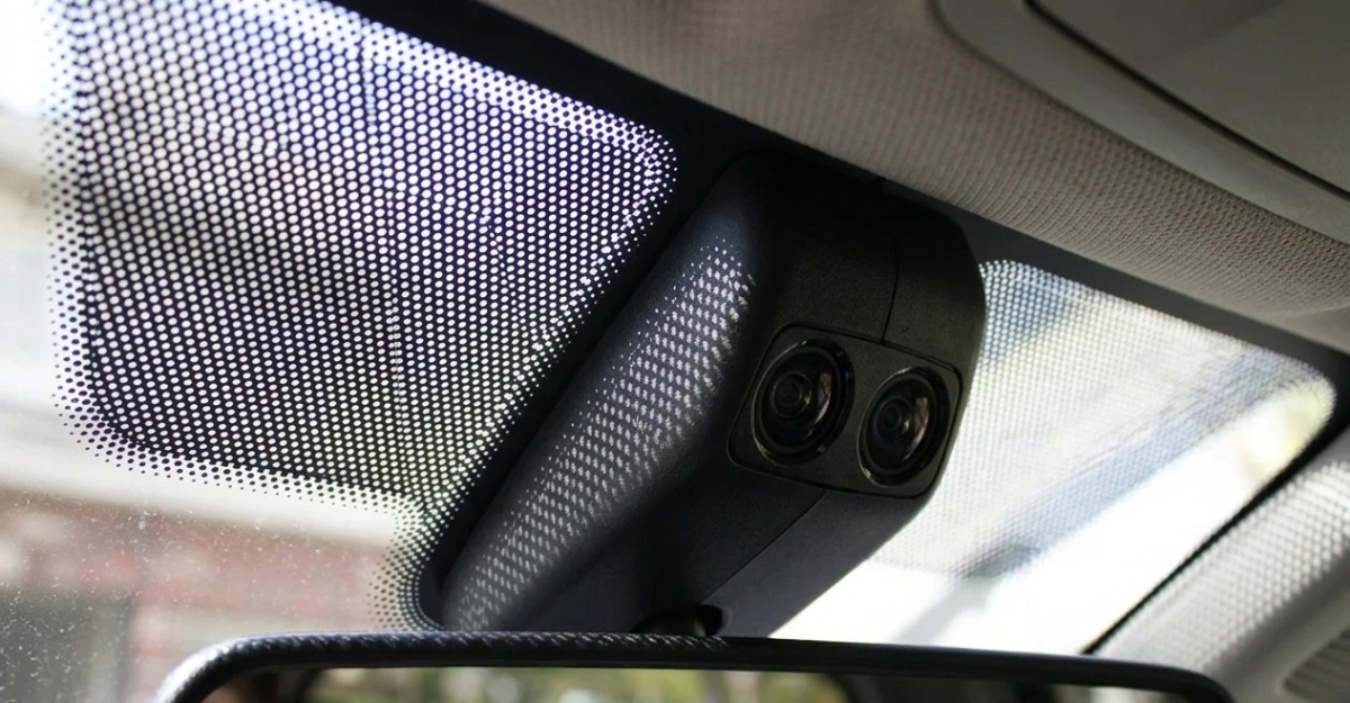
Ever wondered why your car’s windshield has that black border with tiny dots?
They’re called frits, and they’re far more than just a design detail.
車のフロントガラスについてるこの黒い点々、意味を知った時は衝撃だった pic.twitter.com/efntD1qccn
— パラノーマルちゃんねる (@paranormal_2ch) April 12, 2026
More Than Just a Design Feature
The black border, known as the frit band, is made from ceramic paint baked directly into the glass. Its main function is to protect the urethane adhesive that holds the windshield in place. Since this adhesive is sensitive to UV rays, the opaque band shields it from sunlight, preventing it from weakening over time.
The dotted pattern around the edges also serves a purpose. It creates a gradual transition between the black border and the clear glass, helping to reduce heat stress at the edges. This lowers the risk of cracks forming due to sudden temperature differences.
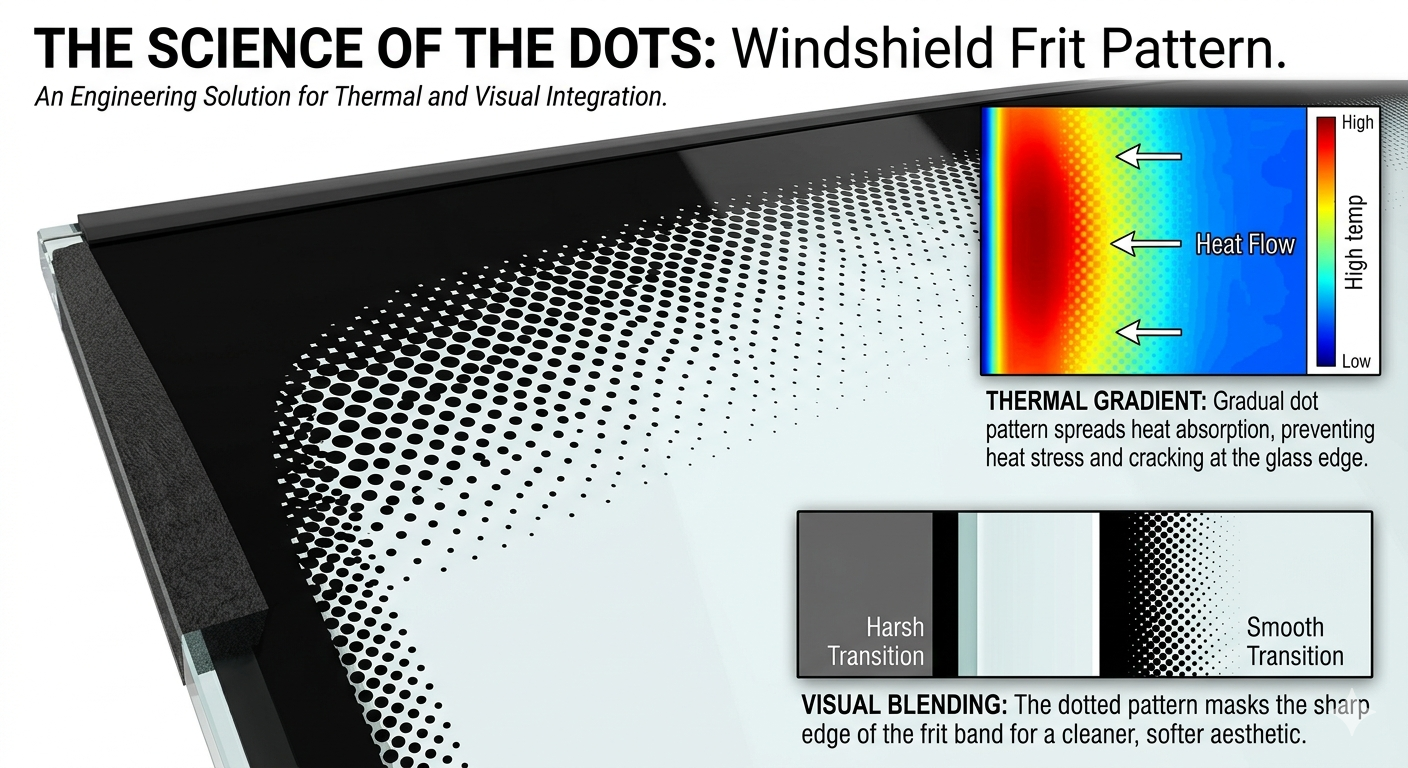
The black dot pattern on your windshield, known as the frit, acts as a thermal barrier to protect the adhesive seal from extreme temperature shifts and harmful ultraviolet rays.
Additionally, its textured surface provides the necessary grip to ensure a secure and long-lasting bond between the glass and the vehicle frame.
Thermal management
The solid black band absorbs heat faster than the rest of the glass. The dotted pattern creates a gradual transition, helping to reduce temperature differences at the edges. This lowers the risk of stress that could lead to cracks or warping when exposed to strong sunlight.
Visual blending
These dots serve a crucial aesthetic purpose by creating a gradual transition, or “halftone” effect, between the opaque black ceramic band and the transparent glass. This gradient effectively softens the visual contrast, masking the adhesive lines to provide a sleek, polished appearance for the vehicle.
A subtle guardian
Take a closer look next time you are in your car. These small details quietly help maintain the durability of your windshield over time. It’s a reminder that even the smallest features in a car’s design serve a purpose.
Source: Hackaday, Delta Kits