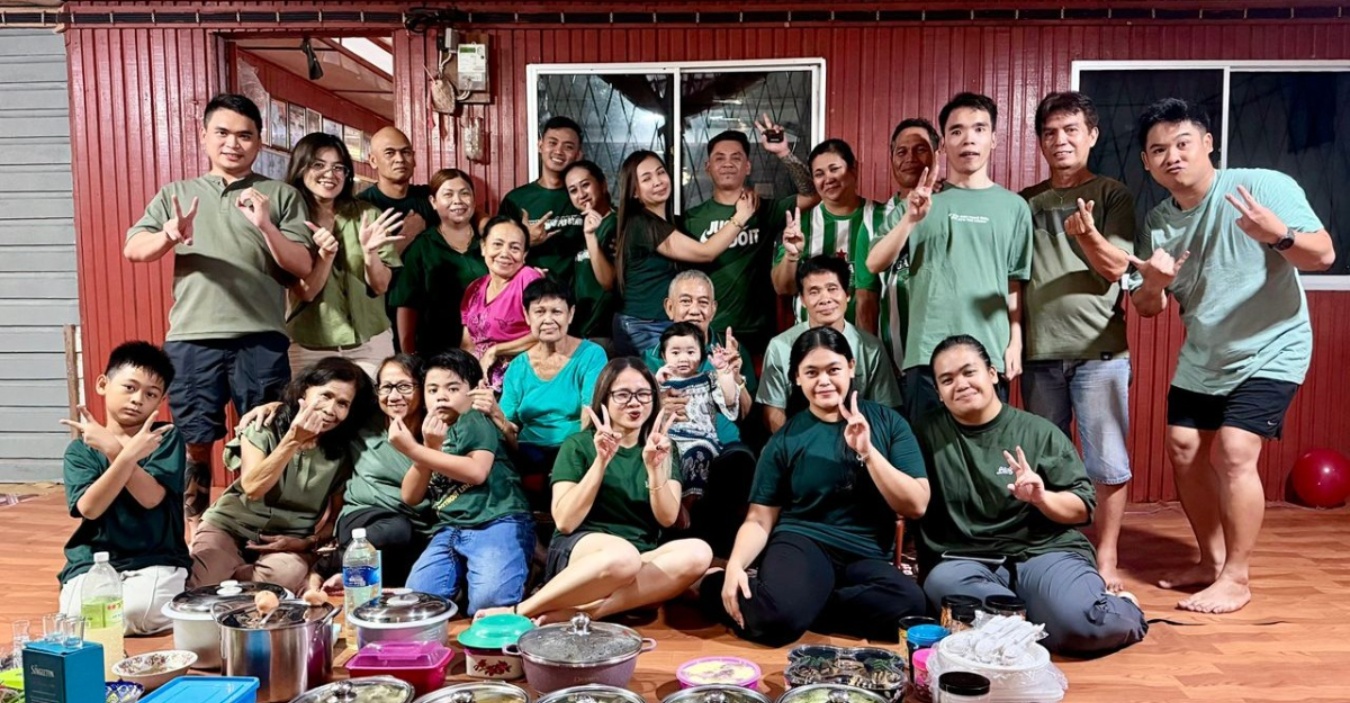
Every year, thousands of Sabahans and Sarawakians start planning the same trip: balik kampung for Kaamatan and Gawai. For many, these Harvest Festivals are the one time they will cross seas, highways and rivers to be back in the longhouse or kampung that still feels most like home.
In conjunction with the Harvest Festivals, redBus spoke to five Malaysians about what this season means to them and how the journey home has changed over time.
Navigating the Heartland: Overcoming the Miles for the Love of Tradition
While the landscape shifts under the weight of modernisation, the core rituals remain an anchor, a constant, rhythmic heartbeat in a changing world. Muhd Zachary Lalitan, 34, a production supervisor in Kuching, reflects on the evolution of the festival from his childhood to the present day.
“The celebration has changed in the sense of technology; now we have huge speakers with Bluetooth, which makes it easier to play songs for our dance sessions all night long. Longhouses have changed from traditional bamboo to concrete, but they maintain the same communal concept.”
At the heart of the celebration is Ngabang — the practice of visiting one another. This radical hospitality sees longhouses and homes open their doors to everyone, from family to strangers, embodying the Dayak belief that blessings are meant to be shared, not hoarded. While the rugged rural infrastructure poses a challenge for those on long road trips, these core rituals remain the season’s steady anchor.
For Chelsea Ronna, 34, an entrepreneur working in Kuching, cross-cities transit marks the official start of the celebrations, serving as a period of anticipation where the excitement of homecoming builds with every mile.
“The journey itself has always been part of the magic. Growing up in Kuching, going back to my longhouse in Ulu Teru wasn’t just a trip, it was an experience we looked forward to every year. It wasn’t just about reaching the destination. The journey itself was already Gawai beginning.”
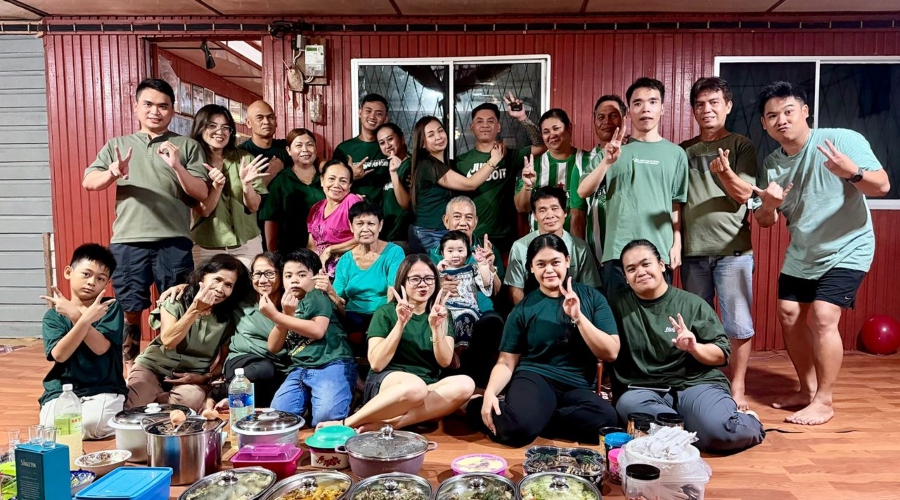
Bus and ferry routes that connect cities, such as Kuching to Miri, provide comprehensive connectivity across these vast distances, allowing families to focus on the joy of the festival rather than the stress of the commute.
From Peninsula to Paddy Field: The Long Journey Home
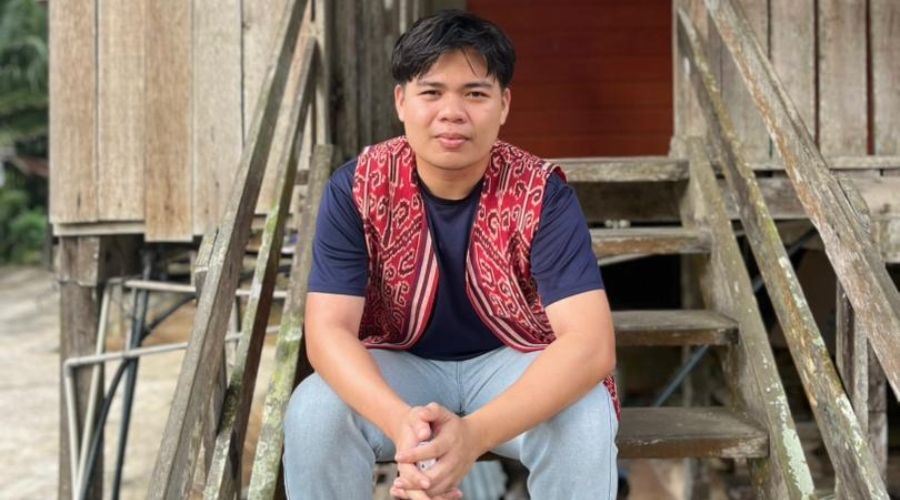
For Sarawakians in West Malaysia, the Harvest Festival is the year’s premier homecoming. For Justin Jalang Anak Tingom, a 24-year-old engineer in Klang Valley, the Ai Tuak his mother prepares a month in advance remains the festival’s ultimate symbol.
“The moment I step into the longhouse, I’m looking for my mother’s cooking. For the Iban community — traditionally rice farmers — Ai Tuak is the ultimate symbol of our year’s hard work. Made from our own fermented rice, it bridges our ancient agricultural roots with today’s celebration.”
For these travellers, homecoming is a high-stakes, multi-modal journey where timing is everything. Seamless transitions from hubs like Kuching International Airport to regional bus terminals maintain the momentum, allowing them to shift focus from schedules and suitcases to the approaching warmth of the family longhouse.
Norman Mai, a 31-year-old executive at KL, describes the journey back as “finally slowing down”. For him, it is less about the travel and more about reconnecting with his roots, marked by the iconic landmarks of Bukit Begunan and Pasar Lachau that signal he is truly home.
“No balik kampung trip to Sri Aman is complete without stopping at Pasar Lachau; it’s an unwritten tradition. Landmarks like Bukit Begunan and Pasar Lachau are more than just highway stops — they are essential chapters of the journey and some of my most treasured childhood memories of going
home.”
By relying on established bus routes, East Malaysians like them could find a smoother, more reflective passage that simplifies the complex geography of the state, turning a long trek into a nostalgic homecoming.
Beyond the Feast: Honouring Our Resilience
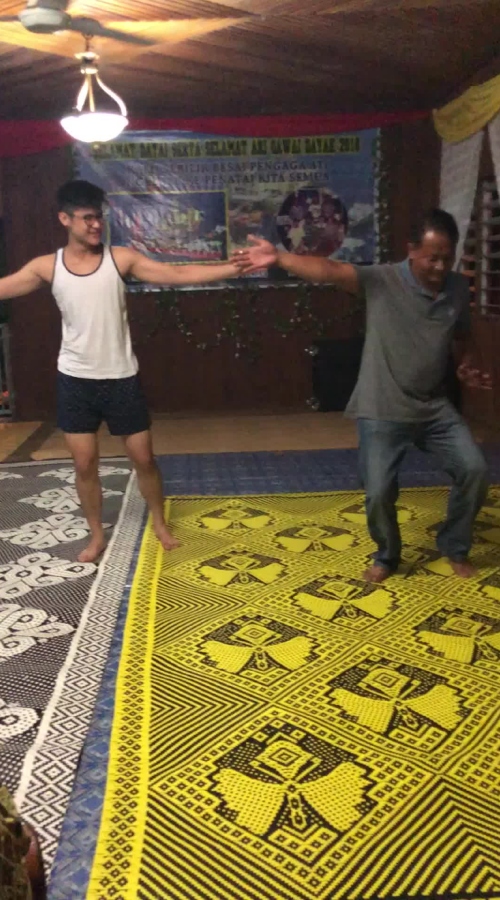
Alex Liew, a 33-year-old West Malaysian marketing manager working in Sarawak, captures the shift from observer to participant. Summing up the festivals as “simple and vibrant”, Alex moved beyond stereotypes when he was welcomed into the culture — even being invited to perform the Ngajat, the traditional dance of the Iban community.
“In West Malaysia, we’re used to city-hopping and fireworks. But Gawai is different — everyone gathers in one place and stays. It isn’t just an event you attend; it’s an experience you live in wholly until it’s time to return to reality.”
Contrary to the West Malaysian misconception that these festivals centre on alcohol, they are actually profound tributes to resilience and divine gratitude. It is a sacred time to honour the season’s hard work, prioritising family, moderation, and communal love over excess.
The Path Back to Belonging
These stories remind us that the celebration truly begins the moment we turn toward home. Whether it is the quiet peace of a longhouse porch or the rhythmic winding roads through the hills, the Harvest Festival harvests more than just grain; it harvests a sense of belonging.
For many East Malaysians, that path home is now more accessible than ever. In recent years, connectivity across Sabah and Sarawak has steadily improved, with bus operator partners on redBus expanding access between key towns and rural gateways.
Routes connecting major hubs like Kuching, Sibu, Miri, Sri Aman, Sandakan, and Kota Kinabalu have bridged the physical distances, allowing travel logistics to fade into the background. To make the journey even easier, new users can use BORNEO50 to avail discounts on bus online booking.
During critical festive periods like Kaamatan and Gawai, these routes become vital lifelines, acting as a quiet companion that ensures the focus
remains entirely on the reunion rather than the road.